


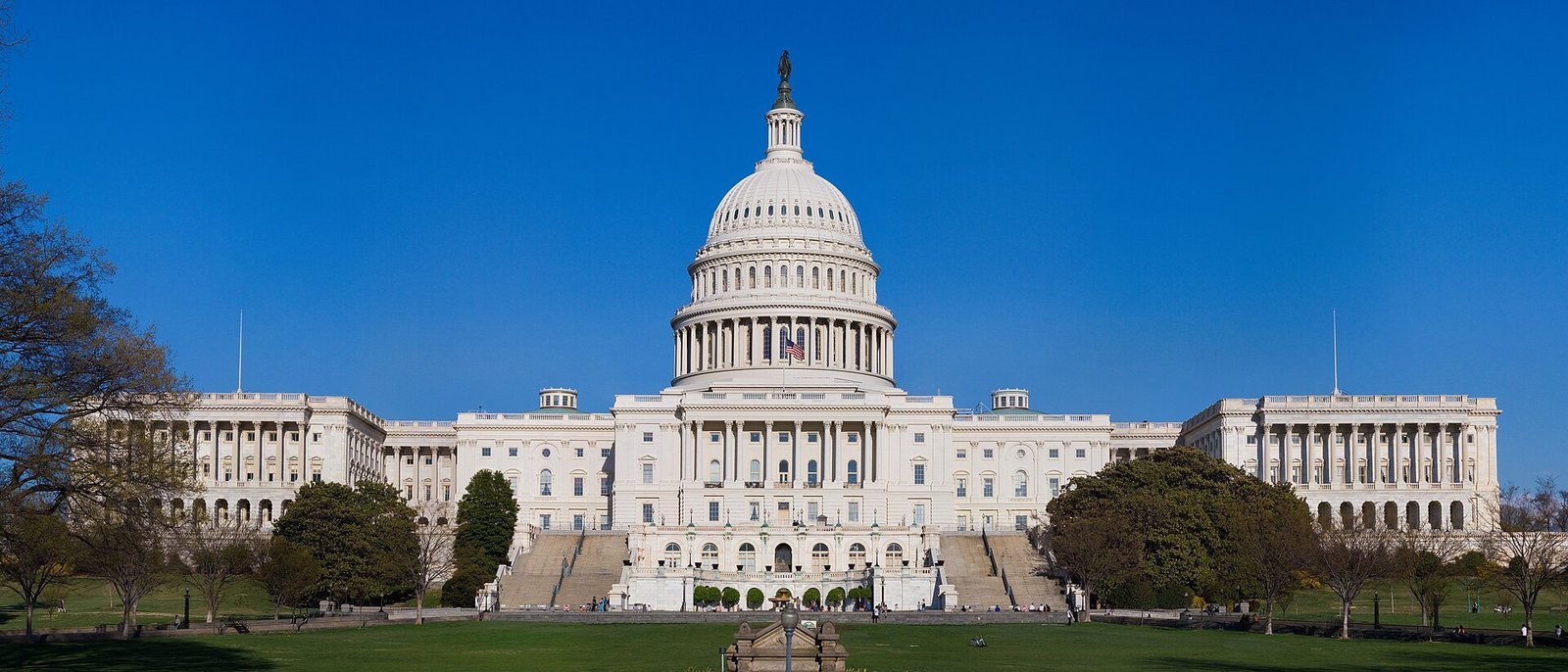
Citizens across the United States are casting their ballots in midterm elections that will determine whether President Donald Trump’s Republican Party maintains its majority in Congress for the remainder of his term. Voters are deciding all 435 seats in the House of Representatives alongside 35 Senate seats, while numerous states are also selecting new governors following weeks of early voting.
Republicans currently hold a slim majority in the House with two vacancies, while the Senate stands at 53 seats for Republicans compared to 47 for Democrats and their independent allies. Democrats require a net gain of four Senate seats to secure the chamber, as Vice President JD Vance holds the tie-breaking vote for the Republicans.
Securing control of the House would grant Democrats the authority to block Republican legislation, launch investigations, and leverage government funding powers. Meanwhile, a Democratic-led Senate would possess the ability to halt presidential nominations, encompassing federal judges and Supreme Court selections.
Despite these potential powers, significant institutional hurdles remain for the opposition party. Even if Democrats secure both chambers of Congress, President Trump retains the power to veto their legislation, which requires a two-thirds majority in both houses to override. Furthermore, most Senate legislation mandates 60 votes to conclude debate.
Observers indicate that Democratic voters display higher motivation levels, though a sweeping victory remains unlikely due to a Republican advantage in campaign spending. Tight contests are anticipated to ultimately determine the balance of power in the Senate.