


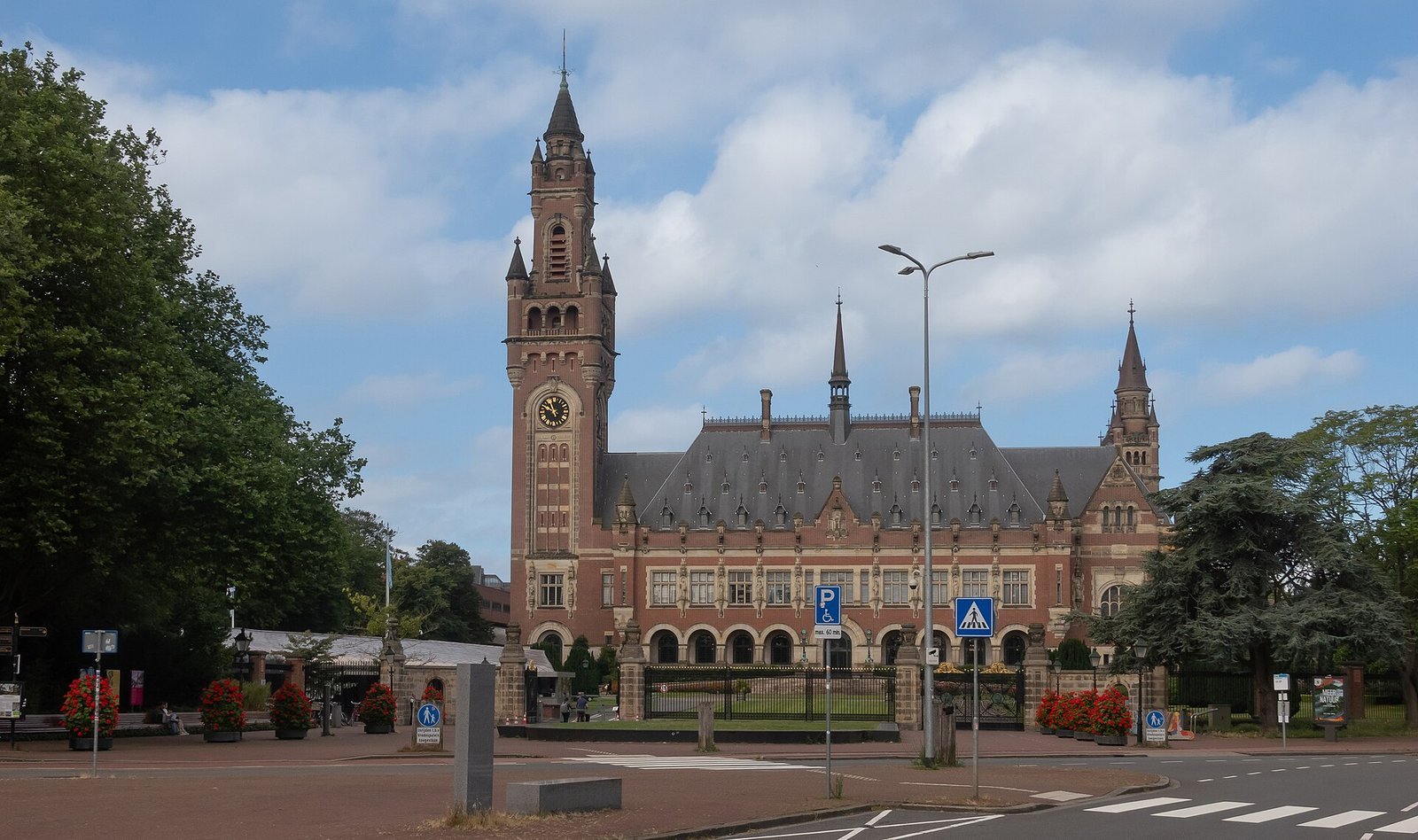
The International Court of Justice in The Hague ruled on Thursday that Myanmar is responsible for committing genocide against the Rohingya population. Reading the landmark judgment, Court President Yuji Iwasawa stated that the nation’s security forces and state organs violated the Genocide Convention.
This decision marks the first time the United Nations’ highest court has found a state legally accountable for genocide. The case was formally brought before the tribunal in November 2019 by West African nation The Gambia.
The Hague judges determined that Myanmar’s state organs engaged in prohibited acts, including killing group members, inflicting serious bodily or mental harm, and imposing measures designed to prevent births. The court also held that Myanmar breached its international obligations by failing to prevent genocide.
The legal proceedings focused on the military’s 2017 “clearance operations” in Rakhine State. That violent campaign triggered a massive humanitarian crisis, forcing more than 700,000 Rohingya people to cross the border into neighbouring Bangladesh.
In its decision, the court ordered Myanmar to immediately cease any ongoing violations and provide firm guarantees that the atrocities will not be repeated. Judges also mandated that authorities thoroughly investigate the actions, while prosecuting and punishing those responsible.
The ruling further calls for comprehensive restitution, stating that displaced Rohingya must be allowed a safe and voluntary return to their homeland. The panel affirmed that the victimised population is owed financial compensation, though the exact monetary figure will be determined in a later phase of the proceedings.
Myanmar must submit a report within two years outlining its compliance with the court’s directives. The ICJ’s judgment is final, carries binding legal authority on both nations, and cannot be appealed under international law.
Myanmar’s representatives had previously rejected the genocide claims, arguing that security forces were responding to armed insurgent attacks in Rakhine State. While the ruling does not directly put individuals on trial, it establishes strict legal requirements that Myanmar must fulfill moving forward.