


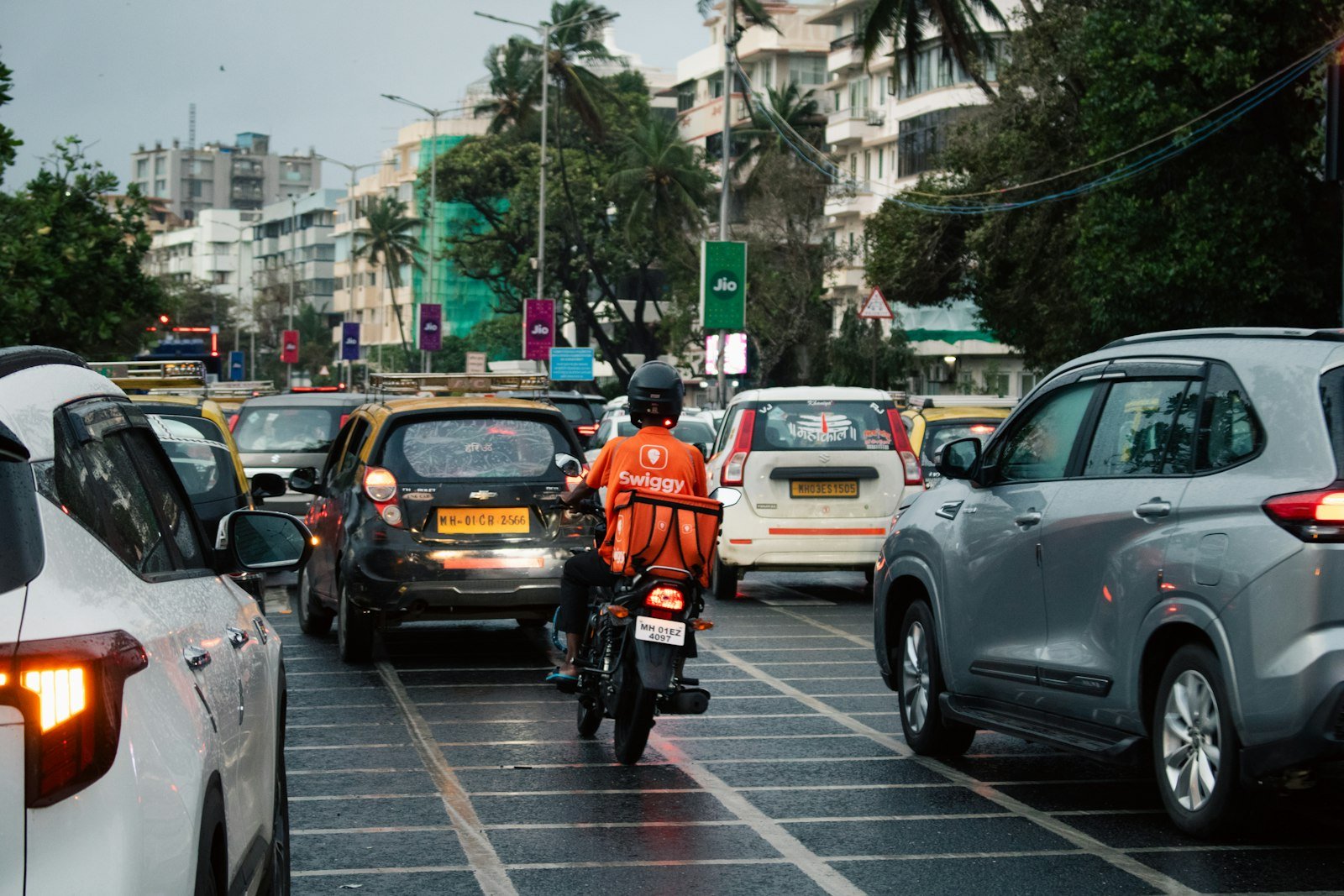
India has moved forward with establishing a formal safety net for app-based drivers, delivery riders, and other platform laborers. The Ministry of Labour and Employment has officially notified the formation of a National Social Security Board for unorganised, gig, and platform workers under the Code on Social Security passed in 2020.
The newly created board will be led by the Union labour minister and will include representatives from central and state governments, trade unions, civil society, employers, and aggregator firms. Mandated to convene a minimum of three times annually, the board will serve an advisory and supervisory function by recommending welfare programs, monitoring current government initiatives, and evaluating state-level spending and record-keeping.
This initiative follows the November 21, 2025 enactment of the overarching labour code, which amalgamates nine previous labour regulations and formally integrates gig workers into eligibility for state-backed health, life, maternity, accident, and old-age benefits. Earlier regulatory rules tied this eligibility to a specific minimum number of annual working days. Major aggregator companies such as Swiggy, Zomato, Ola, Uber, and Amazon will now be required to contribute between 1 and 2 percent of their annual turnover into a designated welfare fund, subject to a cap.
While regional bodies like Karnataka have already established local gig worker boards, this national committee provides a central mechanism for implementation. Observers note that the Indian model offers relevant lessons for neighboring countries like Bangladesh, where ride-hailing and food delivery staff operating on platforms like Pathao and Foodpanda similarly lack formal insurance or pensions.