


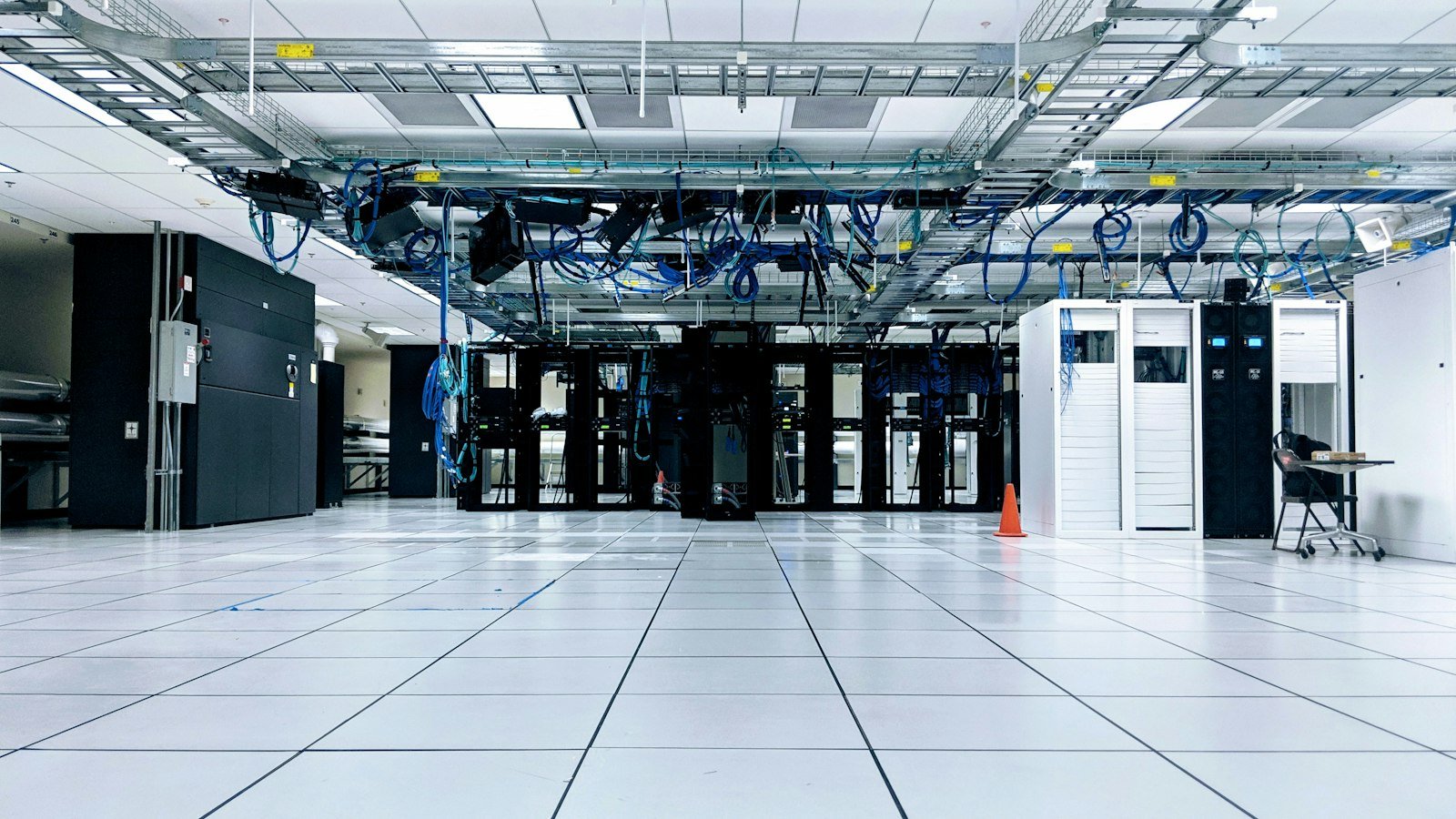
Malaysia is reviewing a potential law that would grant the government oversight over data centre operations, specifically regarding the utilization of high-performance microchips. Investment, Trade and Industry Minister Johari Abdul Ghani announced on Thursday that firms proposing new facilities would be required to disclose operators, locations, and the volume of graphics processing units they plan to import. These specialized semiconductors are essential for artificial intelligence training and face strict controls from the United States.
The proposed legislation emerges as Malaysia addresses scrutiny regarding its potential role as a conduit for advanced American AI processors entering China. Although the country implemented regulations last year restricting US-origin high-performance chips to domestic use and forbidding re-exports, authorities noted a regulatory shortcoming. Johari explained that once restricted semiconductors are legally acquired for domestic data facilities, the administration currently lacks specific legal authority to inspect their subsequent usage.
A dedicated monitoring framework would enable officials to oversee infrastructure post-arrival rather than solely at entry points. This heightened focus follows recent media reports concerning Singapore-based cloud enterprise Megaspeed and its local affiliate, Speedmatrix, amid accusations that the entities might have redirected Nvidia hardware to Chinese clients. Johari clarified that the administration currently has no intention to investigate Speedmatrix, while Megaspeed maintained that it prioritizes American export regulations.
This potential chip tracking initiative accompanies broader regulatory updates within the sector. Johari informed parliament last month that data centre providers will soon be billed for reserved electricity capacity that remains unconsumed to prevent grid monopolisation. Furthermore, regional authorities are mandated to evaluate water availability prior to project sanctioning, operators must implement water recycling practices, and the administration advocates for a minimum of 30 percent local content in engineering and construction.
Official parliamentary data highlights the rapid expansion of the industry, indicating 57 active data centres consuming roughly 6,237 megawatts, alongside 60 additional facilities in development requiring an estimated 11,172 megawatts. Approved investments in the sector since 2021 have reached RM385.7 billion, with foreign capital accounting for approximately RM271 billion. Central bank projections suggest the economic contribution of the industry expanded significantly from RM900 million in 2021 to RM14.1 billion projected for 2025.