
Close Menu
futurebangla.comfuturebangla.com
    What's Hot

    Bangladesh gas subsidy reaches Tk 22,300 crore amid surging LNG import costs

    November 23, 2026

    Google sets dates to phase out Nest app and smart speaker Assistant

    November 23, 2026

    Moving smartphones out of bedrooms improves sleep quality and reduces anxiety, experts say

    November 23, 2026
    Trending
    • Bangladesh gas subsidy reaches Tk 22,300 crore amid surging LNG import costs
    • Google sets dates to phase out Nest app and smart speaker Assistant
    • Moving smartphones out of bedrooms improves sleep quality and reduces anxiety, experts say
    • Somalia expels UAE envoy and recalls ambassador over sovereignty dispute
    • Bad loans in Bangladesh banks hit 33.8 percent of total lending in September
    • Bangladesh defaulted loans reach Tk 6.27 lakh crore in September
    • China to set billing and measurement standards for artificial intelligence tokens
    • Bangladesh aims to restart worker departures to Malaysia by late November
    Tuesday, November 24
    futurebangla.comfuturebangla.com
    • Bangladesh
    • World
    • Economy
    • Tech & Media
    • Politics
    • Society
    futurebangla.comfuturebangla.com
    Home»Economy»World Bank reports highlight mounting structural risks and slowing growth in Bangladesh
    Economy

    World Bank reports highlight mounting structural risks and slowing growth in Bangladesh

    Future Bangla DeskBy Future Bangla DeskNovember 21, 20263 Mins Read
    World Bank reports highlight mounting structural risks and slowing growth in Bangladesh

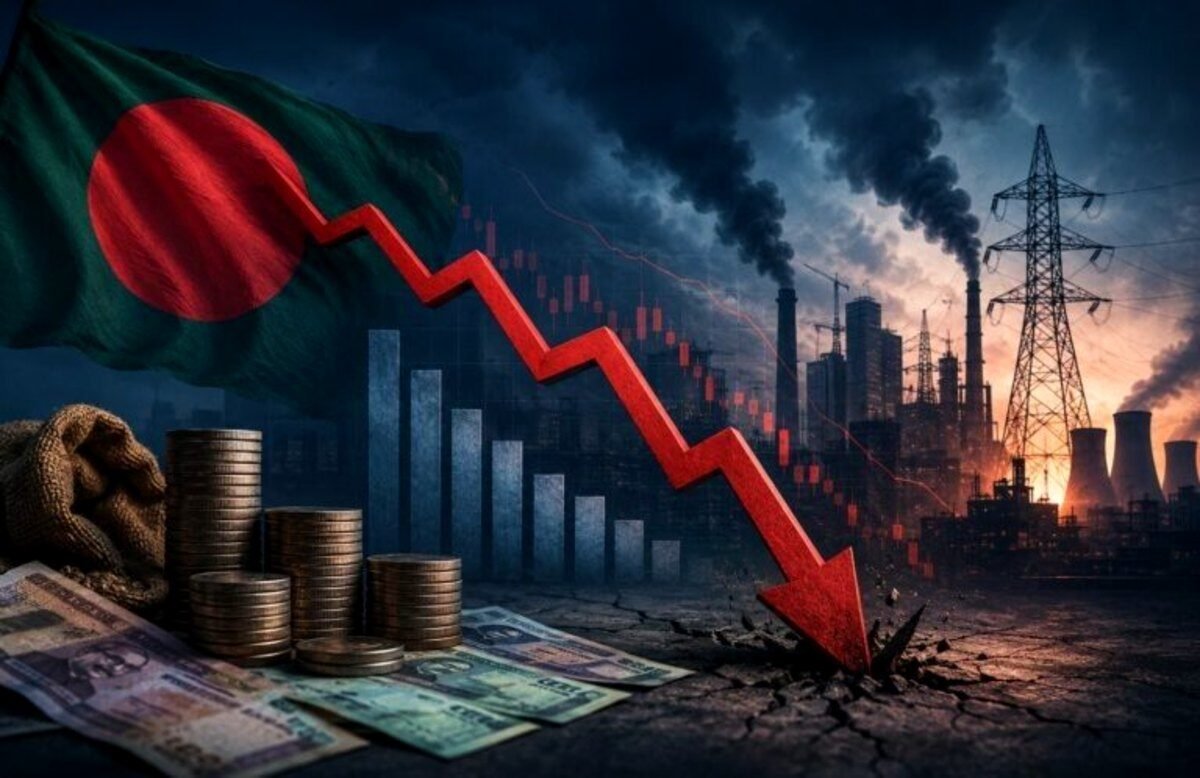
    Bangladesh faces a worsening economic slowdown as structural deficiencies in energy, banking, and revenue collection compound to threaten two decades of development gains, according to several recent assessments by the World Bank. The multilateral lender projects the country’s economic expansion to stagnate at 3.4 percent in fiscal year 2026 and fiscal year 2027, with a potential pickup to 3.9 percent in fiscal year 2028 if structural reforms progress and energy bottlenecks ease.

    Published on October 6, the World Bank’s Bangladesh Development Update notes that economic momentum has been slowing since 2023 due to persistent inflation, rising business costs, and sluggish export performance. Domestic tax revenues reached only 8.3 percent of gross domestic product in fiscal year 2026, marking one of the lowest ratios globally. Meanwhile, the fiscal deficit widened to 3.9 percent of GDP from 3.5 percent in the prior fiscal year, leaving the government with diminished fiscal space to invest in infrastructure, health, and social safety nets.

    Financial sector distress is further curbing private sector credit and overall investment. Official data shows non-performing loans climbed from 30.6 percent in December 2025 to 33.2 percent by June 2026. This growing stress in the banking industry has constrained credit flow to productive enterprises, while increased state borrowing from domestic banks has squeezed out commercial funding for private enterprise expansion.

    The economic deceleration is taking a direct toll on living standards. According to the Bangladesh Poverty and Equity Brief released on October 9, high inflation averaging 8.7 percent in fiscal year 2026 and weak labor demand pushed roughly 2.1 million people into poverty. Using the $3-a-day threshold, the poverty rate expanded by 1.1 percentage points to 10.1 percent, while over one-third of the population remains vulnerable just above the poverty line.

    Employment conditions remain fragile, with approximately 58 million people—representing roughly 84 percent of the total workforce—working in the informal sector. A November 3 report titled Demographic Change in South Asia indicates that 44 percent of university graduates hold informal jobs. With the share of the working-age population expected to peak around 2045, the World Bank warned that Bangladesh has roughly two decades to capitalize on its demographic dividend before demographic shifts set in.

    Human capital challenges are compounding these economic risks. A November 6 World Bank report revealed that nearly half of 10-year-old children in Bangladesh cannot read or comprehend a basic text. Although the bank approved $300 million in funding to support 26 million primary students, experts emphasize that broader systemic improvements in instruction and governance are crucial to building a workforce capable of driving future productivity.

    Previous ArticleWomen secure nearly half of Bangladesh agent banking accounts, central bank report shows
    Next Article UNESCO reports highlight sharp rise in self-censorship and unpunished media killings

    Related Posts

    Bangladesh gas subsidy reaches Tk 22,300 crore amid surging LNG import costs

    November 23, 2026

    Bad loans in Bangladesh banks hit 33.8 percent of total lending in September

    November 23, 2026

    Bangladesh defaulted loans reach Tk 6.27 lakh crore in September

    November 23, 2026
    Top Posts

    Nasscom chief warns artificial intelligence is threatening entry-level tech jobs in India

    November 9, 2026

    Microsoft apologises for massive cloud outage affecting services across 74 countries

    November 16, 2026

    Grameen Bank reports 72 branch offices attacked across Bangladesh in 10 days

    November 20, 2026
    About
    About

    Future Bangla is an independent digital news platform delivering timely, accurate news from Bangladesh and around the world. We cover politics, economy, technology, society, and in-depth explainers.

    Most Popular

    Bangladesh gas subsidy reaches Tk 22,300 crore amid surging LNG import costs

    November 23, 2026

    Popular mobile battle royale game Free Fire relaunches in India after ban

    November 2, 2026

    Mobile operators demand lower spectrum prices ahead of licence expiry

    November 2, 2026
    Our Picks

    Bangladesh gas subsidy reaches Tk 22,300 crore amid surging LNG import costs

    November 23, 2026

    Google sets dates to phase out Nest app and smart speaker Assistant

    November 23, 2026

    Moving smartphones out of bedrooms improves sleep quality and reduces anxiety, experts say

    November 23, 2026
    © 2026 Future Bangla. All Rights Reserved.
    • About us
    • Contact us
    • Privacy Policy
    • Terms and Conditions
    • Disclaimer

    Type above and press Enter to search. Press Esc to cancel.