


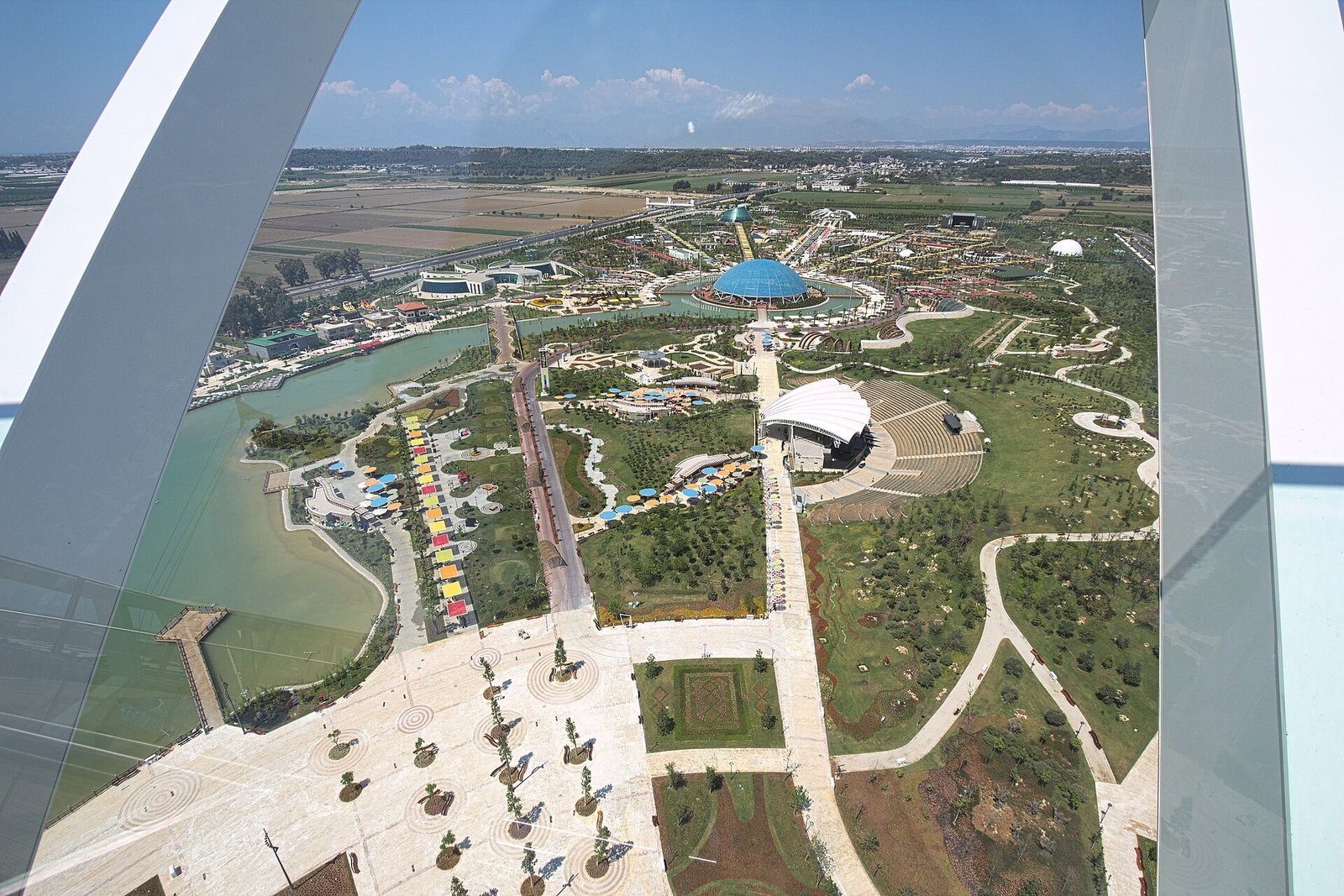
The COP31 global climate negotiations officially commenced in Antalya, Türkiye, on Monday, bringing together representatives from more than 190 nations for two weeks of high-stakes discussions. Scheduled to conclude on November 20, the summit aims to address pressing environmental challenges despite the noticeable absence of an official delegation from the United States.
The American absence follows the Trump administration’s decision to pull the United States out of the Paris Agreement. As one of the planet’s largest polluters and leading sources of historical greenhouse gas emissions, the lack of US participation leaves a significant gap in the international bargaining process.
Türkiye holds the summit’s presidency through Environment Minister Murat Kurum, while Australia leads the formal negotiations under the guidance of Climate Change and Energy Minister Chris Bowen. The two countries are sharing the incoming leadership responsibilities as part of a joint arrangement.
Kurum highlighted that the primary objective of the Antalya meeting is to transform previously established commitments into practical measures rather than introducing new targets. As part of his Action Agenda, the Turkish minister presented a proposal to boost electricity’s share in global energy consumption to 35 percent by 2035.
Financial assistance and the future of fossil fuels are set to take center stage throughout the summit. Developing nations are pushing for concrete commitments from wealthier countries to fund climate adaptation efforts and compensate for damage caused by severe weather disasters, though negotiators remain deeply divided over funding details.
Participants are also scheduled to debate strategies for transitioning away from fossil fuels, an issue that ended with little consensus during the previous COP29 and COP30 meetings. The urgency of these talks is amplified by scientific projections indicating that global temperatures will likely temporarily surpass the 1.5-degree Celsius warming threshold established in the Paris accord.
With the 1.5-degree limit at risk, pressure has intensified on negotiators to reach meaningful compromises before the conference wraps up on November 20. Vulnerable nations are demanding actionable policies to mitigate emissions and secure help in enduring worsening extreme weather events, including intense heat, severe floods, and powerful storms.