


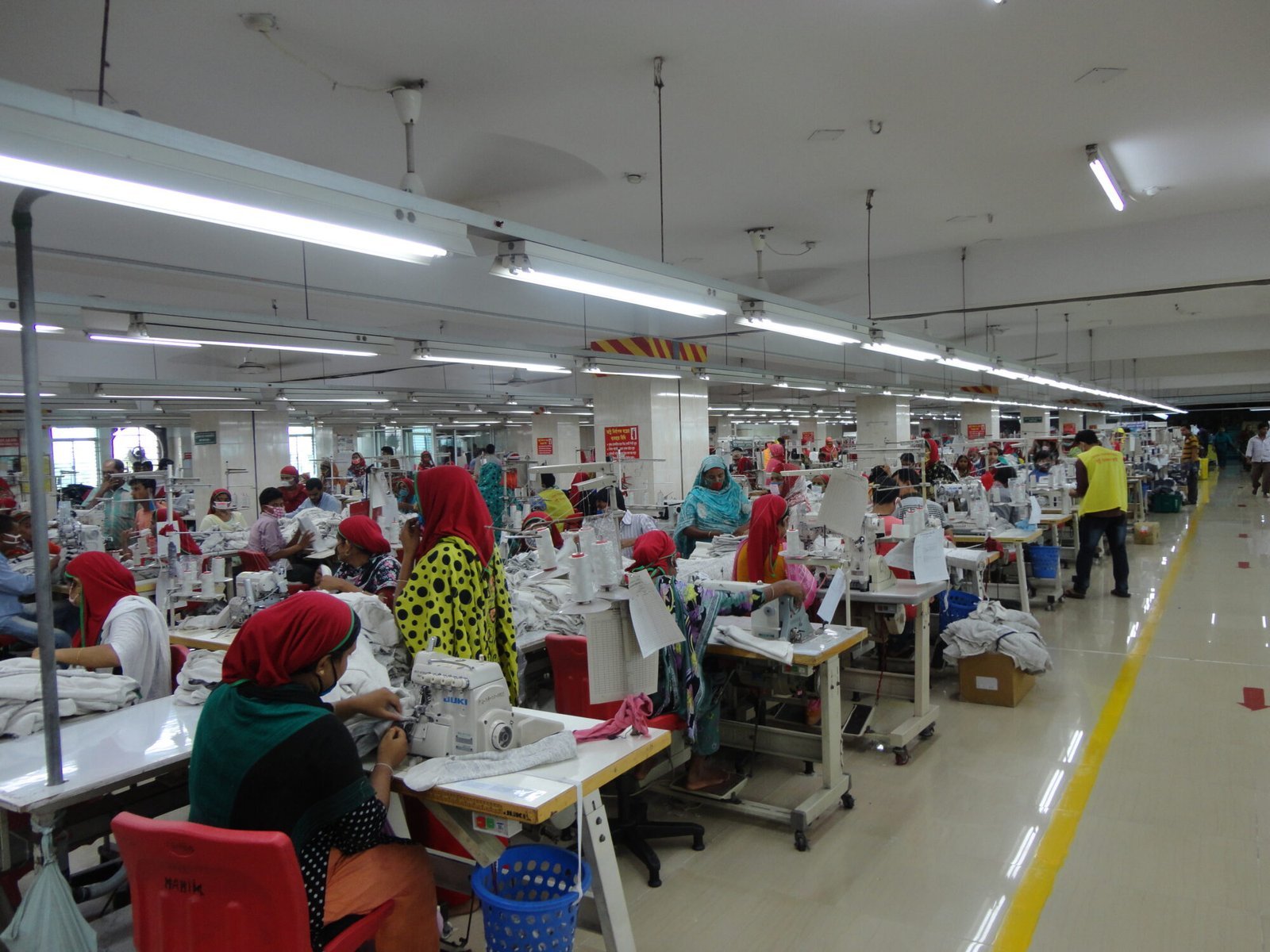
Bangladesh’s primary apparel trade organization has warned that factory management may enforce widespread closures if ongoing worker strikes, demonstrations, and property damage in key industrial zones do not stop immediately. The Bangladesh Garment Manufacturers and Exporters Association (BGMEA) announced that it has called an emergency general meeting for Saturday, November 14, to determine its course of action.
Industry leaders are considering invoking Section 13(1) of the Bangladesh Labour Act 2006, which grants employers the legal right to close facilities during labor unrest. BGMEA President Mahmud Hasan Khan led an emergency meeting on Wednesday at the organization’s headquarters in Uttara, where factory owners discussed severe disruptions to production and growing violence.
Khan emphasized that discussions regarding employee pay would continue, but insisted that acts of vandalism and public disorder must cease. Owners are observing conditions through Thursday to assess whether security improves before deciding on factory shutdowns and evaluating their attendance at the next minimum wage board session scheduled for November 16.
According to figures released by the BGMEA, operations have been disrupted at 156 ready-made garment units across Savar, Ashulia, and Gazipur, with 140 of those affected facilities situated in the Savar and Ashulia belts. Clashes escalated on Wednesday as laborers demonstrated in favor of a Tk 30,000 basic monthly wage and voiced opposition to recent worker layoffs, leading law enforcement officers to fire sound grenades and tear gas canisters to disperse crowds.
The authorities reconstituted the official minimum wage board on November 1 following weeks of sustained worker agitation. At the board’s second gathering on November 9, labor delegates formally submitted a written request for a basic wage of around Tk 32,000 per month, while factory management presented a separate counter-proposal while threatening to pull out of future talks.
Labor representative Babul Akhter clarified that no recognized trade union federation had declared an official strike or endorsed violent acts, suggesting that an outside group was exploiting worker frustration. Akhter noted that if garment factory owners refrain from attending the wage board negotiations, responsibility for setting the new national minimum wage will rest solely with the government.