


The Bangladeshi government is preparing to construct a Tk 300 crore animal vaccine manufacturing facility in Bogura to scale up domestic production and decrease reliance on foreign imports. Managed by the Department of Livestock Services, the initiative will begin with a feasibility study scheduled between October 1, 2026, and March 31, 2027.
Officials have already secured policy approval from the Ministry of Fisheries and Livestock for the project proposal. A site spanning approximately 200 acres in Gabtoli, Bogura, has been tentatively selected for the new plant.
However, project funds cannot be released yet because the facility has not been included in the Annual Development Programme. Authorities expect to secure the necessary financial allocation soon to move forward.
The country currently faces a massive shortage in domestic animal vaccines for its 46.5 crore livestock and poultry population, which requires about 260 crore doses each year. The Bangladesh Livestock Research Institute produces roughly 32 crore doses annually, fulfilling just 12.31 percent of total national demand.
To meet the shortfall, Bangladesh spends around Tk 5,000 crore annually importing vaccines from 18 countries, including China, Hungary, Italy, Japan, and the United States. Existing production facilities at the institute and the livestock department’s biotechnology unit in Cumilla are both roughly three decades old.
The supply deficit is particularly acute in poultry farming. Annual demand for the Ranikhet disease vaccine stands at 24.36 crore doses against a domestic output of 8.70 crore, while fowl cholera vaccine demand reaches 22.40 crore doses against local production of only 1.60 crore.
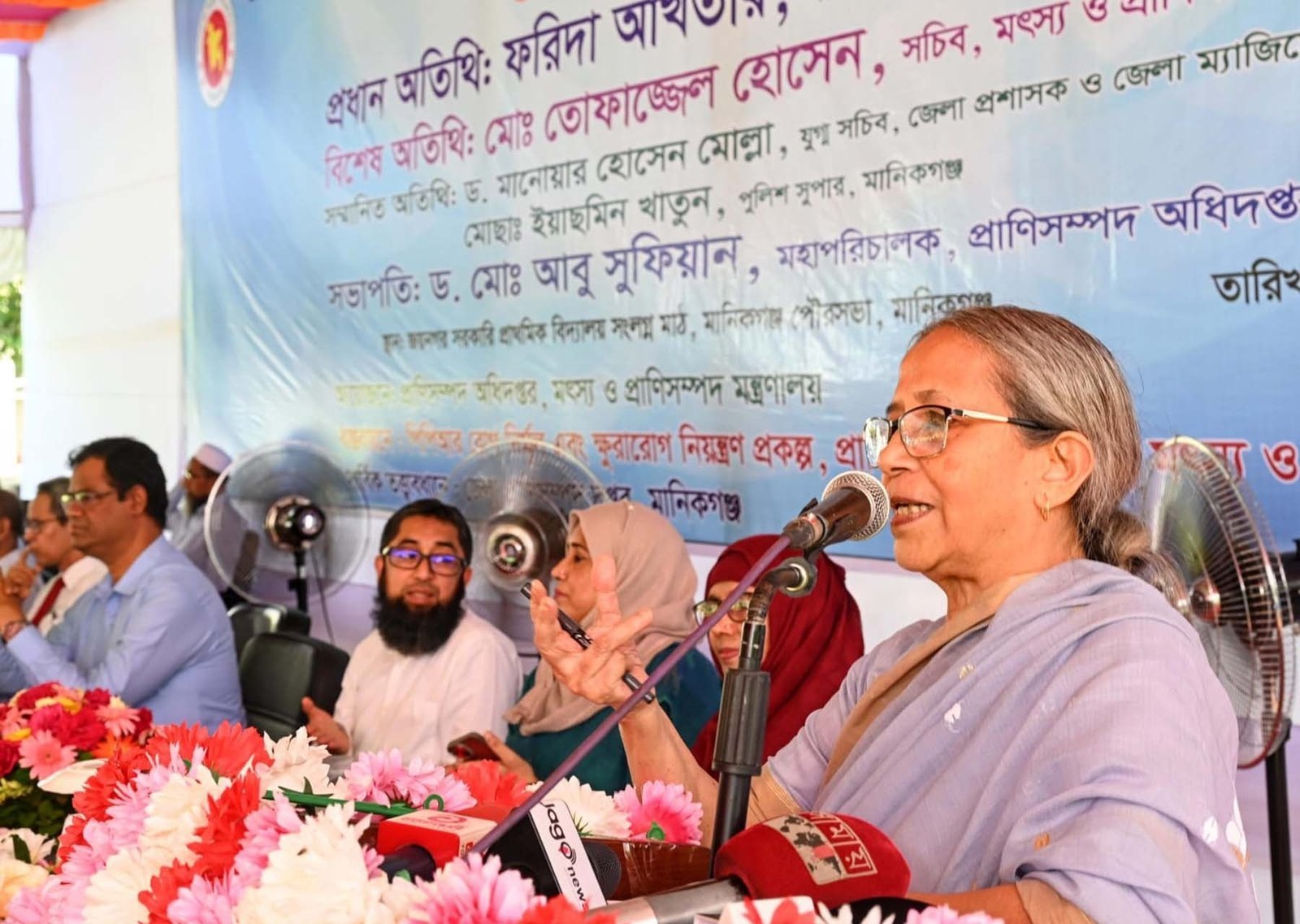
State Minister for Fisheries and Livestock Sultan Salahuddin Tuku recently emphasized that building local manufacturing capacity is essential to achieve self-reliance. He stated that funding scientific research and training will lower import expenditures, enhance rapid responses to disease outbreaks, and safeguard livestock farmers’ livelihoods.
Welcoming the initiative, Professor Hafiza Khatun, head of animal science at Bangladesh Agricultural University, noted that building the factory must be accompanied by broader improvements. She stressed that farm management, biosecurity protocols, and farmer awareness must also advance alongside production.