


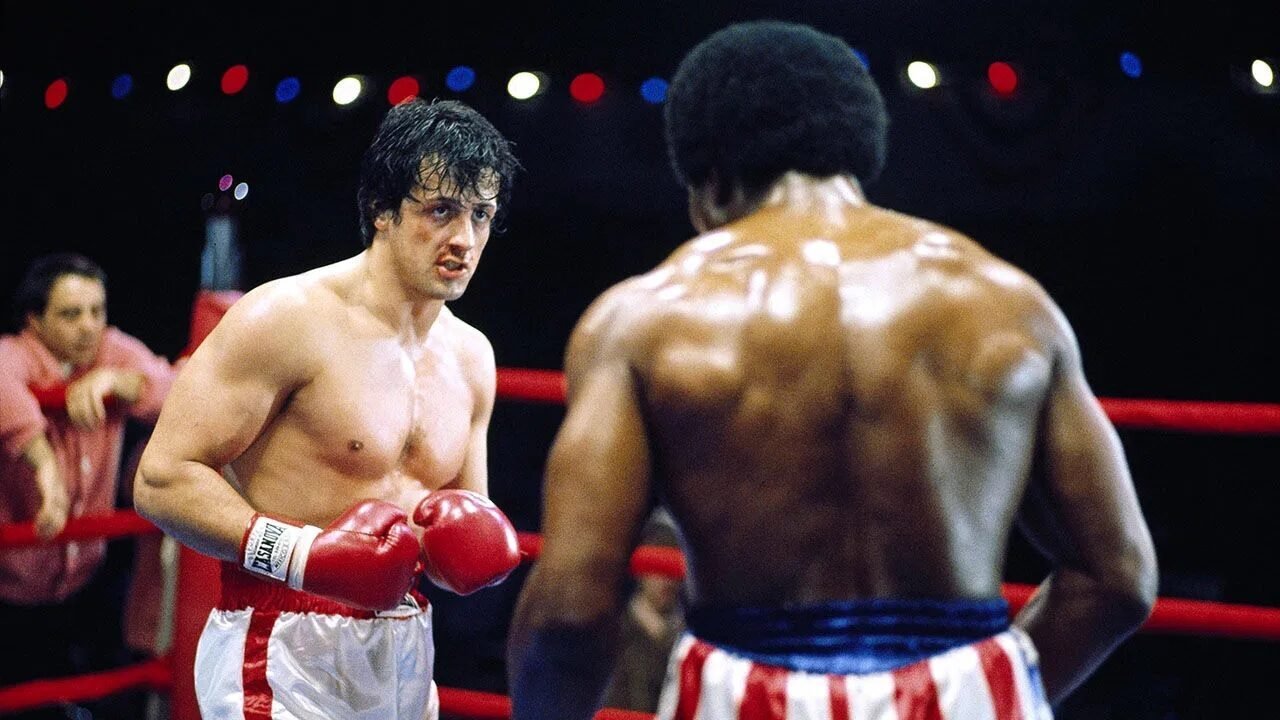
First released in November 1976, Hollywood’s memorable film Rocky has crossed the 50-year mark, continuing to resonate with audiences around the world. While popular perception often frames the movie as a triumphant sports saga, the original film is a restrained and realistic story about lower-income American life, self-respect, and love. Directed on a very limited budget, the production even featured homeless individuals and mental health facility patients as audience members during the final boxing match before winning the Oscar for Best Picture.
Behind the movie was Sylvester Stallone’s personal struggle as an impoverished young actor in New York, where he faced repeated rejections and took jobs cutting fish and cleaning lion cages. Stallone wrote the screenplay for Rocky in just three days at a time when his wife was pregnant and he had almost no money remaining. Despite receiving lucrative offers to sell the script, he stubbornly refused unless he was cast as the lead character, ultimately convincing producers to move forward with him.
Though categorized as a boxing film, the original movie contains only two brutal fights and explicitly avoids glorifying the profession. Rocky’s true ambition is not to become a world champion, but to prove to himself that he is not a failure while earning the affection of Adrian, a deeply shy woman. The central victory occurs not through the fight’s final score, but when Rocky rises to his feet after enduring a severe beating from world champion Apollo Creed.
Set in working-class Philadelphia, the narrative highlights forgotten lives through characters like Adrian’s brother Paulie, an exhausted meat plant worker struggling with alcoholism and unfulfilled potential. In his memoir, The Steps, Stallone reflected on the film as a story of ordinary people seeking respect amid social neglect and economic hardship. Fifty years later, Rocky retains its relevance by illustrating that an individual’s true strength lies not in physical power, but in the determination to maintain dignity.