


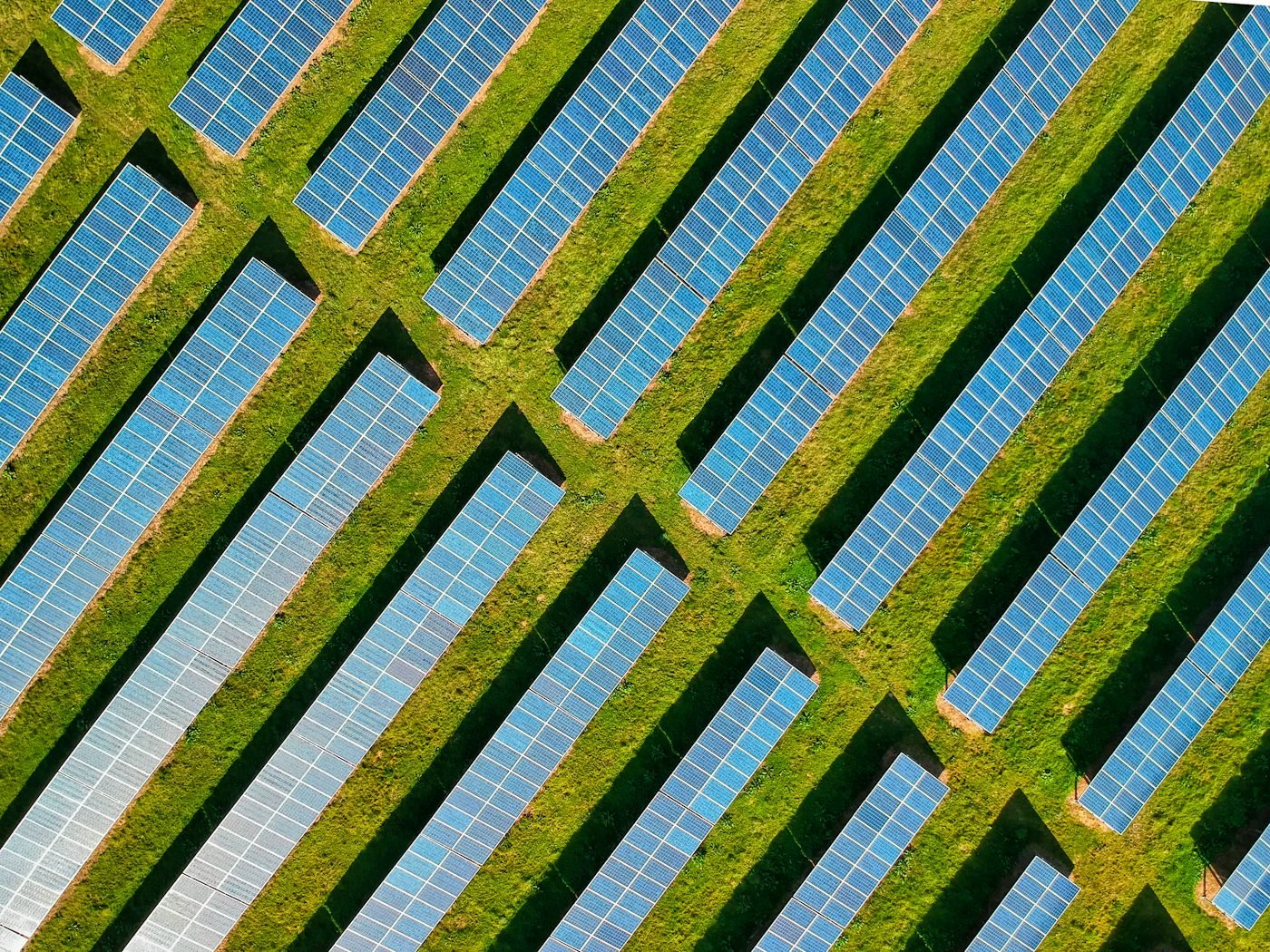
The Asian Development Bank has expanded its agreement with Bangladesh to serve as transaction adviser for six solar and battery storage projects aimed at generating over 1,000 megawatts of electricity. The initiative is expected to attract more than $1 billion in private investment across the country’s renewable energy sector.
A memorandum of understanding was signed by representatives from the ADB Bangladesh office, Invest Bangladesh, and the Bangladesh Power Development Board. Under the deal, the multilateral lender will not directly finance or build the infrastructure, but will instead manage market preparation, conduct technical and financial feasibility studies, draft tender documents, and oversee competitive bidding.
Private developers and institutional financiers will supply the capital required to build and operate the planned installations. The initial project scheduled for competitive tender is a 130-megawatt solar farm located in Sonagazi, Feni, which will be paired with a 26-megawatt-hour battery energy storage system.
Tendering for the Sonagazi plant is anticipated to open before the end of this year, serving as a model for the remaining five projects. These subsequent projects, combining for roughly 870 megawatts of capacity, will follow in second and third phases once initial land suitability checks are finished.
Land acquisition remains a notable hurdle for utility-scale solar projects in Bangladesh due to high population density and extensive agricultural activity. ADB Country Director Qingfeng Zhang noted that the structured advisory approach aims to establish a transparent, repeatable market framework built on open competition.
Invest Bangladesh Chairman Ashik Chowdhury stated that the government seeks to secure higher levels of private and foreign direct investment in clean energy. Bangladesh currently aims to source 20 percent of its electricity from renewable sources by 2030 and 30 percent by 2040.
The country remains reliant on imported fossil fuels, including natural gas, coal, and oil, which ties electricity prices to global commodity fluctuations and currency exchange rates. Open competitive bidding on well-prepared projects is expected to help reduce investor risk and lower power tariffs.