


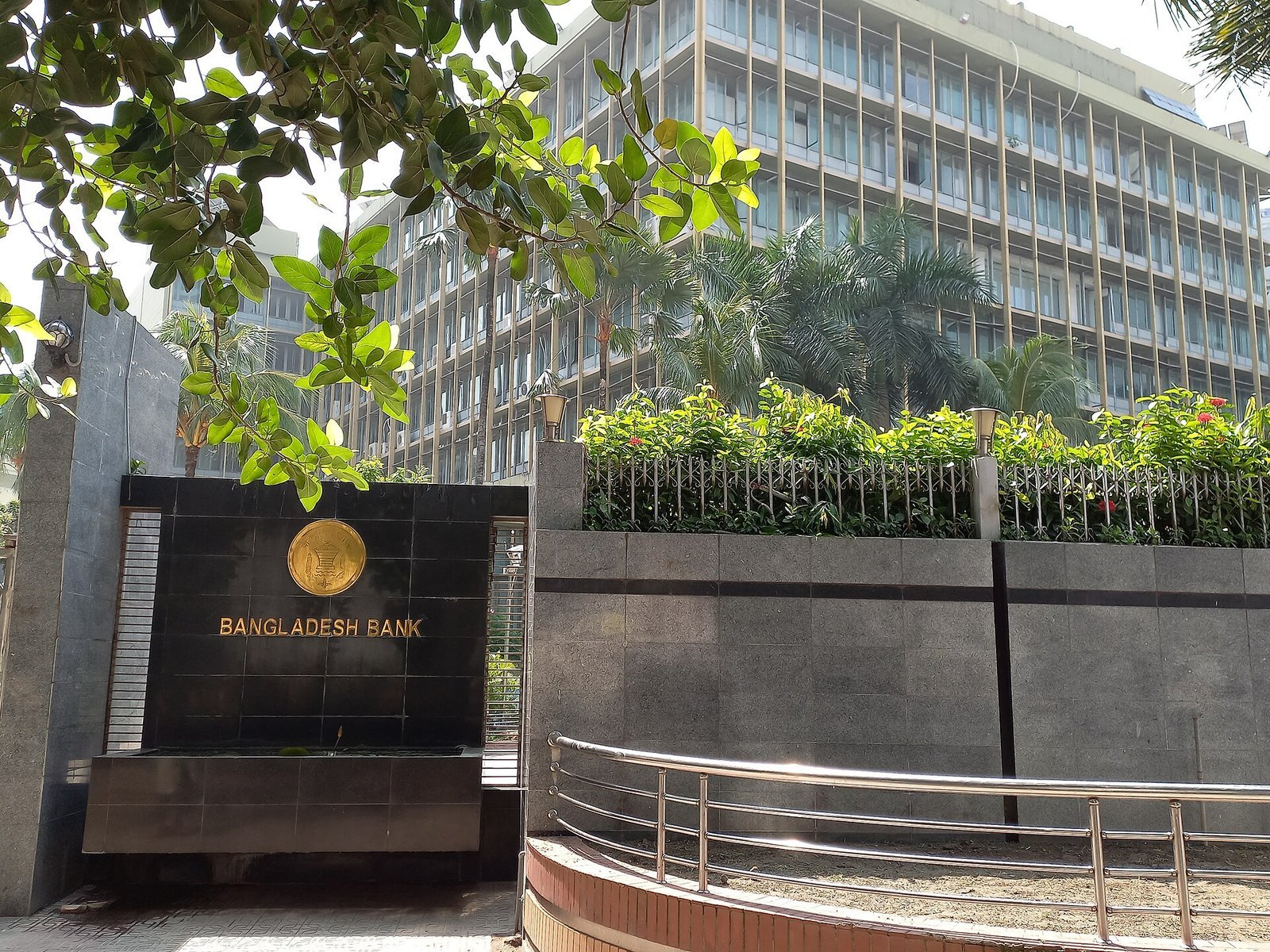
Bangladesh is preparing to lower the maximum tenure for commercial bank directors from 12 years to six under a newly drafted amendment to the Bank Company Act. The proposal, formulated by the Financial Institutions Division of the Finance Ministry based on recommendations from Bangladesh Bank, is awaiting approval from the finance minister before submission to the cabinet.
Under the proposed legislation, board members must step down after six years and observe a mandatory three-year cooling-off period before becoming eligible for reappointment. Any shorter terms served will count toward the cumulative six-year limit. The measure reverses previous expansions, as term limits were raised from six to nine years in 2018 and subsequently extended to 12 years in 2023.
The draft introduces stricter governance measures aimed at curbing family influence over financial institutions amid ongoing banking sector irregularities. The maximum number of directors allowed from a single family will decrease from three to two, while representatives from family-owned entities will be cut from two to one. Total board sizes will remain capped at 20 members, but the required number of independent directors will rise from three to four on full-size boards, and from two to three on smaller ones.
To ensure neutrality, individuals serving as independent directors must have held no direct or indirect interest in the bank or its affiliated entities for the preceding three years. Additionally, the amendment explicitly bans politicians—including cabinet ministers, members of parliament, and local government officials—from serving as bank directors, managing directors, or chief executives. Board members will also face tighter attendance rules, limiting leaves of absence to a single period of no more than three months within a year.
The amendment further proposes flexibility regarding ownership caps, enabling Bangladesh Bank to relax the current 10 percent shareholding limit for domestic and foreign strategic investors under central bank guidelines. This version departs from an earlier preliminary proposal under the interim government, which had advocated for 15-member boards with half the seats reserved for independent directors.