


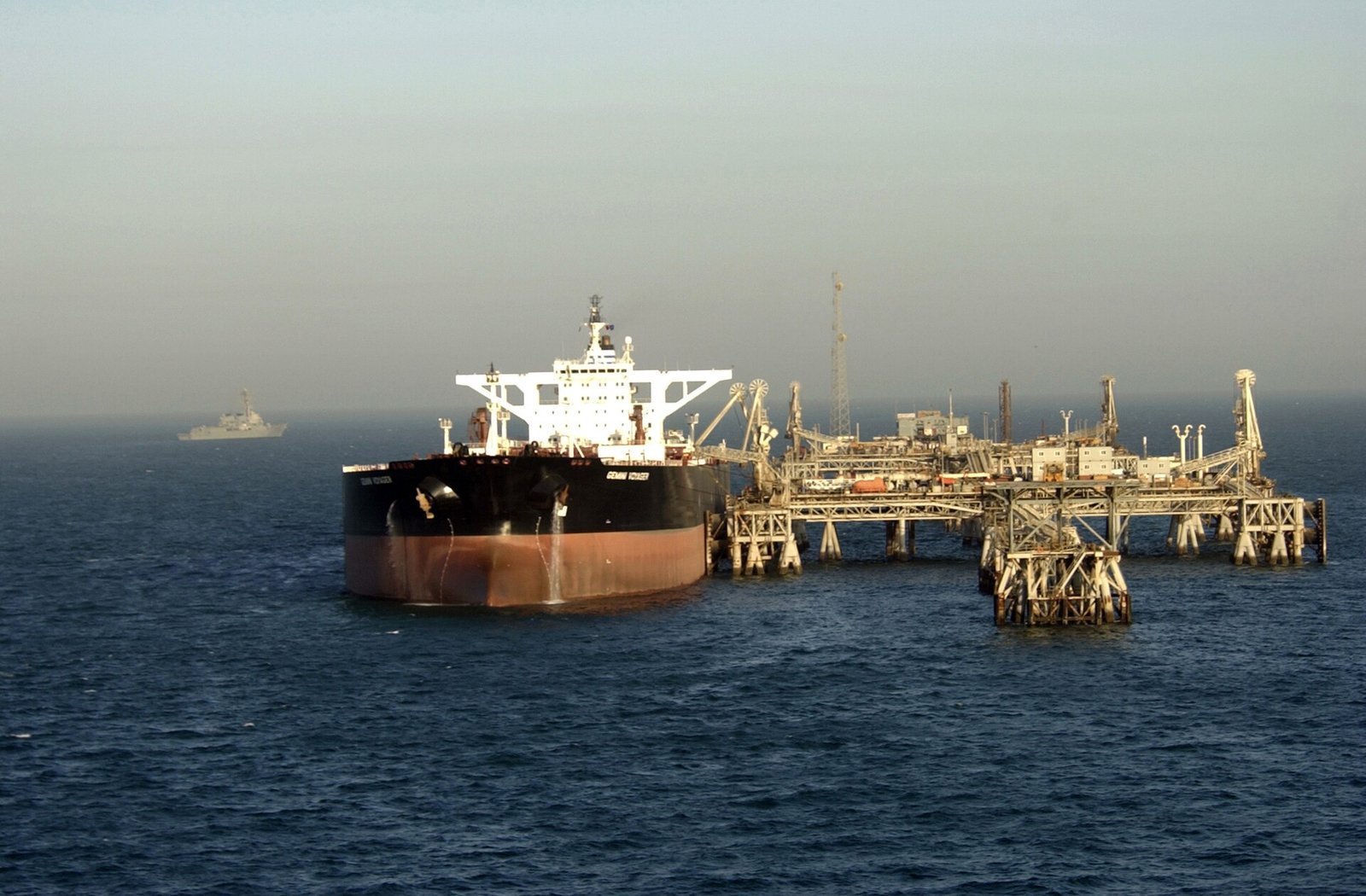
Global crude oil prices declined to their lowest level in nearly three months on Monday following the return of halted supplies and market indicators pointing toward a glut. Benchmark Brent crude settled down by 3.46 percent at $89.37 a barrel, marking its lowest closing price since August 31. Meanwhile, the United States benchmark West Texas Intermediate dropped 3.88 percent to reach $80.17 a barrel, a valuation not seen since late August.
The downward trend continued during Tuesday’s Asian trading session, with Brent hovering close to the $90 per barrel threshold. The primary catalyst for the price drop originated in Libya, where the Sharara pipeline resumed operations and restored the flow of crude. Calculations by Deutsche Bank, utilizing inventory data from October, indicate that the global market is currently experiencing an oversupply of approximately 1.7 million barrels per day.
Although geopolitical tensions in the Middle East have provided a baseline support for valuations, overall supply concerns have subsided as physical market premiums contracted. According to Goldman Sachs figures referenced by Trading and Investment News, the premium for physical Dated Brent over futures decreased to about $1, dropping significantly from approximately $31 recorded in early October.
Market participants are now shifting their focus toward the upcoming OPEC+ meeting scheduled for November 29. The coalition is set to determine its production policy for 2027 during the gathering. This upcoming decision will serve as a crucial test to determine whether Brent crude prices will remain below the $90 mark.