


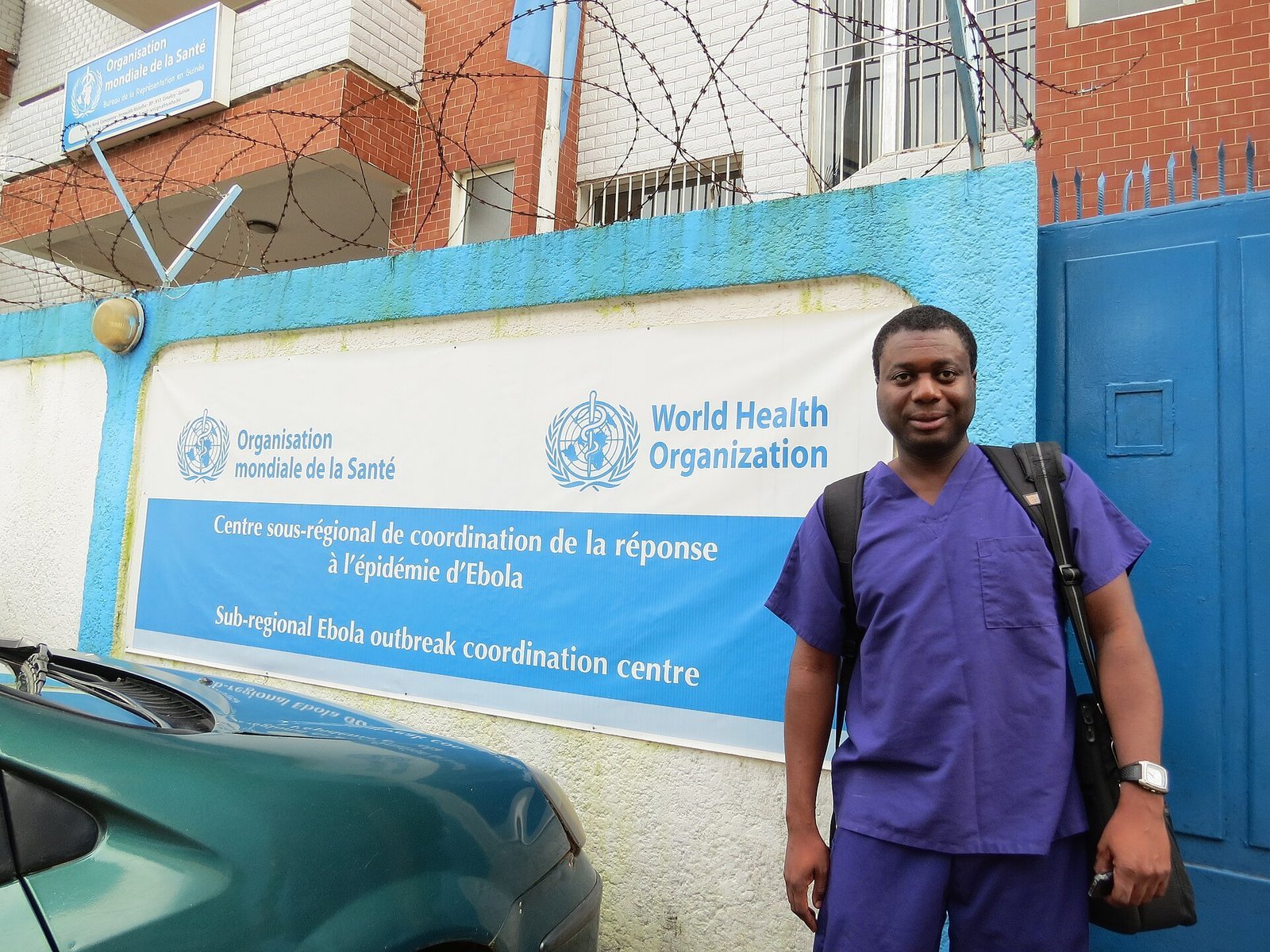
The World Health Organization has safely extracted its Ebola response personnel and Congolese health officials following a multi-day ordeal inside a hospital in Ituri province. The group had been stranded for over three days due to intense armed conflict that severely hindered containment operations in the region. WHO Director-General Tedros Adhanom Ghebreyesus confirmed the rescue, noting it was accomplished through collaborative actions involving government, health, and humanitarian entities.
The trapped workers had taken refuge in the maternity ward of a medical facility in Akwe. The WHO had previously issued urgent appeals for a secure exit route as violent clashes raged near their shelter, preventing any movement. Tedros highlighted that ongoing insecurity remains the primary impediment to managing the disease, asserting that peace is the ultimate solution. This particular outbreak originated in May close to the affected site, making Ituri the hardest-hit area among eight impacted provinces.
According to figures from the European Centre for Disease Prevention and Control, Ituri recorded 7,858 confirmed cases and 3,715 deaths by 14 November. Across the wider nation, the Bundibugyo virus outbreak has surpassed 11,000 confirmed cases and 5,500 deaths since its declaration on 15 May. The Africa CDC categorizes this as the second-largest Ebola epidemic in history and warns that it remains uncontained, with over 80 percent of fresh infections occurring outside established contact registries.
Because no licensed treatments or approved vaccines exist for the Bundibugyo strain, officials are relying on clinical evaluations. A Phase 2/3 vaccine trial commenced in the Ituri town of Bunia on 23 October, and the WHO has authorized testing for two additional vaccines with data anticipated by early 2027. However, public health experts emphasize that all containment advancements ultimately rely on the secure passage of medical personnel to patients amidst the ongoing regional violence.