


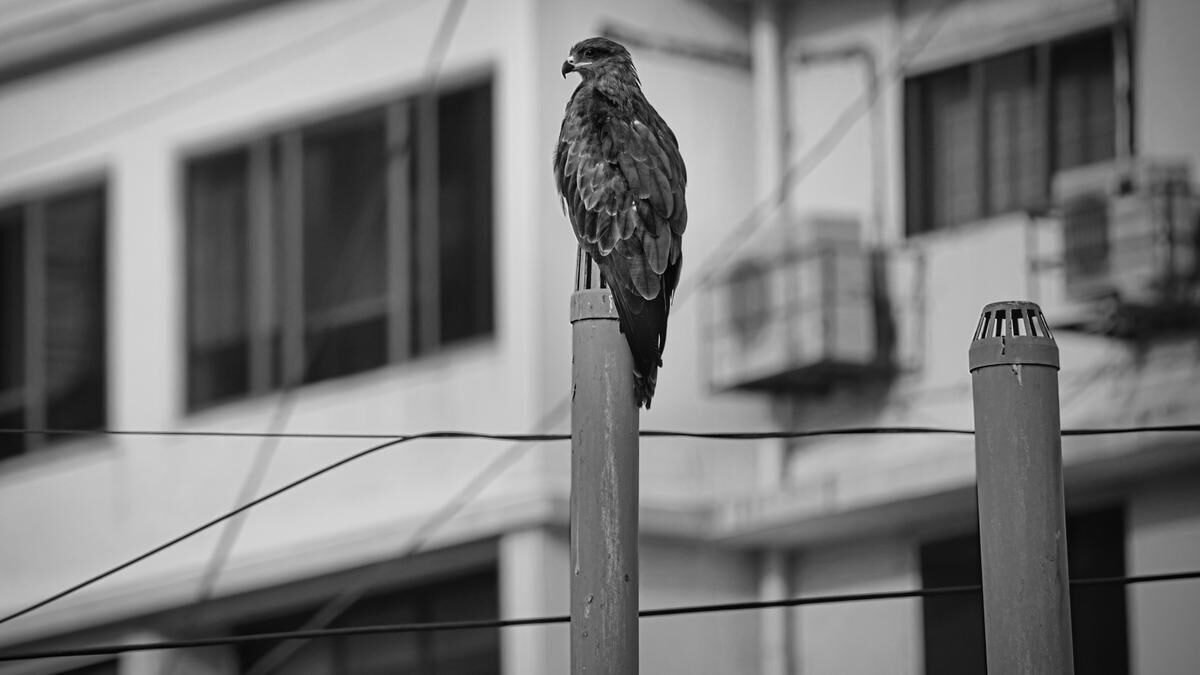
Urban centers across India are developing with a strict focus on human needs, largely ignoring the survival rights of birds and other animals in municipal planning. This trend, known in town planning as anti-animal architecture, involves creating public structures and buildings that render environments unusable for specific living creatures. While historical hostile architecture targeted humans through sloping surfaces or divided park benches, contemporary Indian urban design deploys deterrents against local fauna.
According to researchers, construction materials and modern land-use patterns actively drive animals away. Older structures utilized earth, brick, and wood with roof gaps and wall crevices that offered birds safe nesting spaces. In contrast, modern buildings rely on smooth concrete, expansive glass windows, and fully enclosed designs that offer virtually no natural shelter. Additionally, tall glass surfaces frequently cause fatal bird collisions, while unmaintained deterrent nets, spikes, and sticky gels often trap and injure wildlife.
Animal welfare experts note that the resulting habitat loss has heavily contributed to declining urban sparrow populations. Street networks similarly lack warning signs, while traffic lights and vehicle sounds frequently confuse crossing animals, leading to frequent road accidents. Furthermore, poor waste management forces stray dogs, cows, and other animals to forage in open garbage dumps, which can inadvertently lure wild predators like leopards into human settlements.
To combat these growing risks, specialists recommend incorporating animal-friendly alternatives into future urban development. Suggested measures include planting tall trees for natural nesting, installing bird boxes, and modifying streetlight colors and brightness to protect nocturnal species. Experts emphasize that urban areas function as habitats for numerous animals, meaning modern architecture must account for safe shelter and movement to prevent cities from becoming lethal environments.