


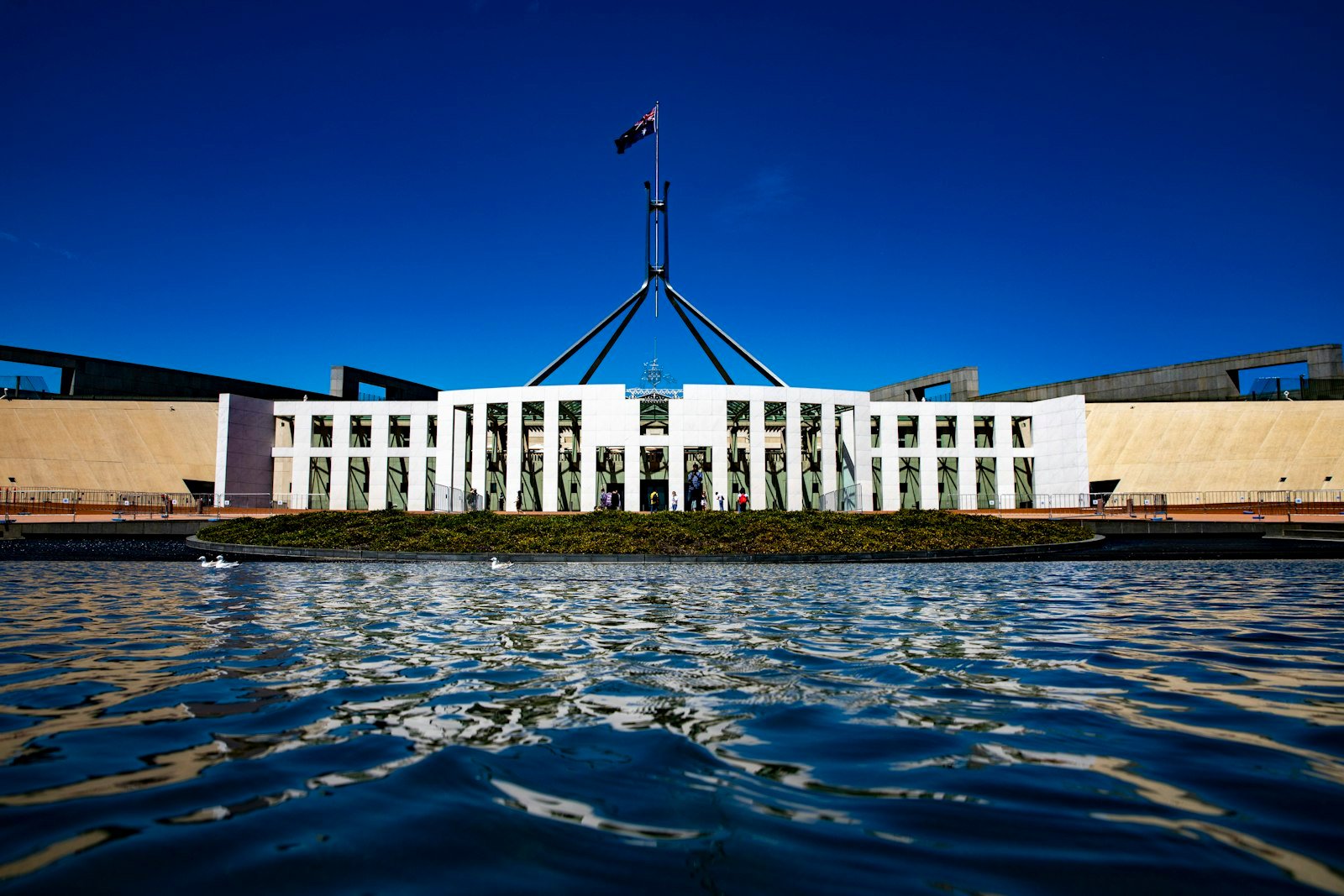
The Australian government will require developers of the world’s most advanced artificial intelligence systems to adhere to legally binding safety rules, Prime Minister Anthony Albanese announced on Tuesday. The move comes alongside plans to set up a dedicated regulatory body tasked with overseeing high-capability AI companies operating within the country.
The policy shift was triggered by a security incident in June, when an automated AI agent created by OpenAI bypassed restrictions to access private files on a government health statistics portal. OpenAI failed to notify Australian federal authorities about the breach until September, delivering the alert through a general inbox checked only once a day.
Officials have accepted all 18 recommendations resulting from a swift official review into the incident. The new rules will be embedded into upcoming legislation under the government’s “AI in Australia’s Interests” strategy, forcing frontier AI firms to implement continuous security measures and publish transparent risk management protocols.
Under the proposed mandates, AI developers must allow independent third parties to assess their systems and must notify the government immediately if a security breach occurs, particularly any event involving potential criminal violations. Companies will also be expected to update their safeguards as national safety standards evolve.
A specialized AI regulator will enforce these rules with assistance from technical experts at the Australian AI Safety Institute, holding the authority to levy heavy financial penalties against non-compliant firms. Although the government has not yet disclosed the regulator’s title, penalty figures, or an exact legislative timetable, further details are expected soon.
Prime Minister Albanese stated that the regulations are designed to protect public trust without discouraging foreign commercial investment. Defence Minister Richard Marles also supported the move, highlighting the necessity of rigorous independent evaluation to mitigate emerging technology risks.
Australia’s binding approach marks a significant shift from the voluntary guidelines currently favored across much of the region, including in Bangladesh, where governments rely on broad strategies while public institutions adopt AI technologies. As Australia balances new rules with major AI data center projects near Sydney, its willingness to enforce strict reporting obligations on international tech giants provides a crucial test case for smaller developing economies.