


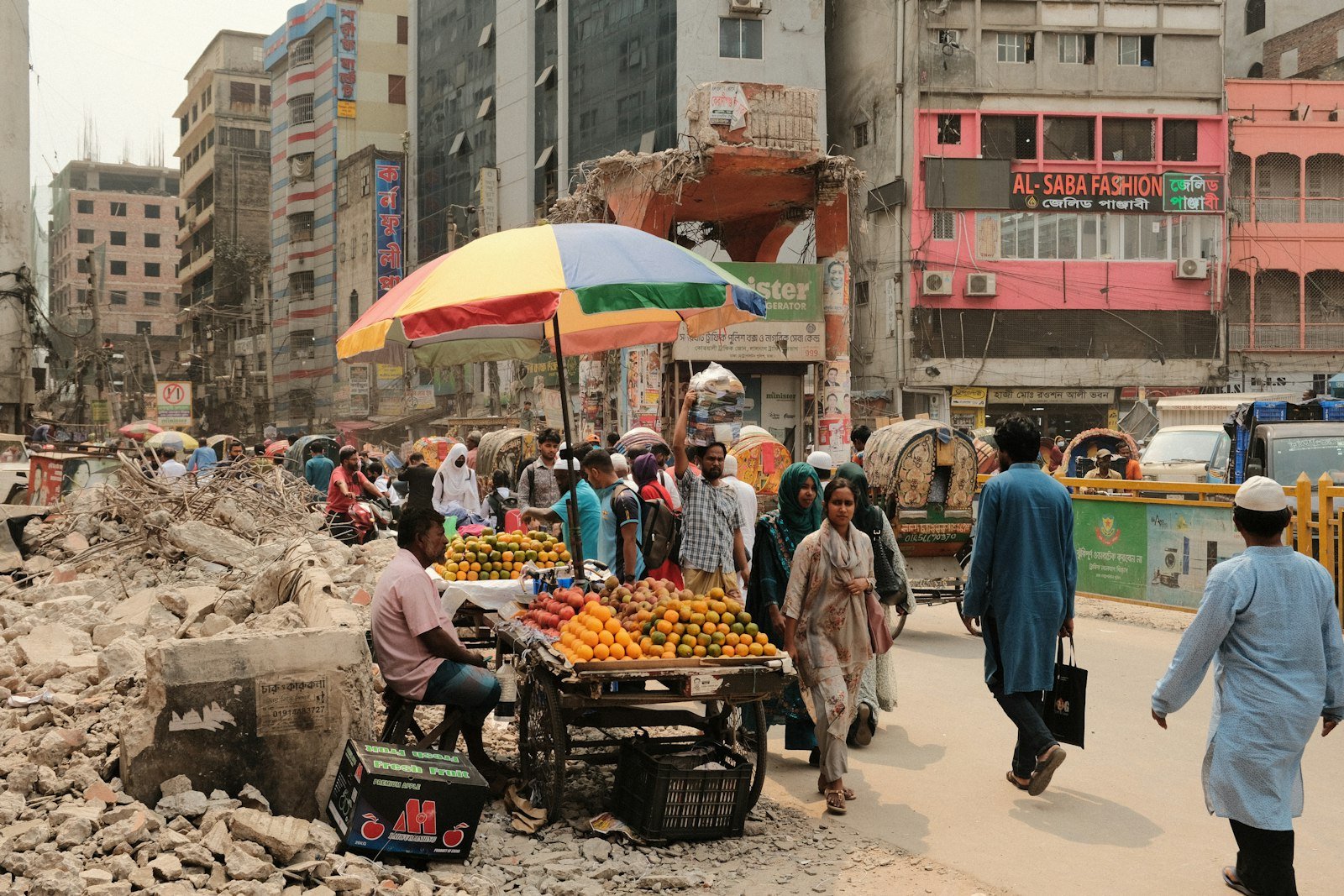
Formal financial service access in Bangladesh reached 64.5 percent of adults, according to the Bangladesh Bank Financial Inclusion Report 2025. The central bank report, covering developments across banking, mobile financial services, microfinance, capital markets, and insurance through 2024 and 2025, characterises the overall progress as uneven.
Mobile financial services emerged as the primary driver of financial expansion during the period. Total transactions via mobile wallets increased by 31.35 percent to 9.57 billion, while the total financial value moved through these platforms climbed 25.58 percent to Tk21.83 lakh crore, compared to Tk17.38 lakh crore the previous year. Registered mobile accounts reached 25.02 crore by the end of 2025, with women holding 10.56 crore of those accounts. Merchant payments expanded alongside utility bill payments for gas and electricity, which rose by more than 15 percent. Government-to-person payments, such as stipends and allowances distributed via wallets, represented the sole mobile financial service category to experience a decline, falling 5.36 percent.
Agent banking operations reflected deeper customer engagement despite a narrower physical footprint. The count of agent outlets dropped 3.5 percent to 20,501, whereas the customer base grew 7.2 percent to reach 2.58 crore. Deposits handled through agents increased by 19 percent to total Tk49,720 crore, and loans disbursed via the channel jumped 46 percent to Tk35,023 crore, led primarily by private commercial banks.
Conversely, basic savings instruments intended for vulnerable populations showed negative trends. Special Tk10 accounts opened for marginal farmers experienced contractions in both participation and total holdings, with account holders decreasing 2.8 percent to 92.57 lakh and deposits dropping 8.77 percent to Tk819 crore from Tk898 crore. Although school banking accounts increased by 8.57 percent to reach 47.55 lakh, total deposits within those student accounts fell 3.69 percent to Tk1,994 crore. Rural areas accounted for 52.24 percent of student accounts, while urban accounts held 70.29 percent of the total student savings.
No-frills accounts performed slightly better, recording a 1.26 percent increase in deposits to reach Tk9,328 crore, supported by individuals in extreme poverty and social safety net beneficiaries. The central bank report highlights that households facing financial pressure appear to be depleting small savings accounts while simultaneously increasing their reliance on digital payment methods.