


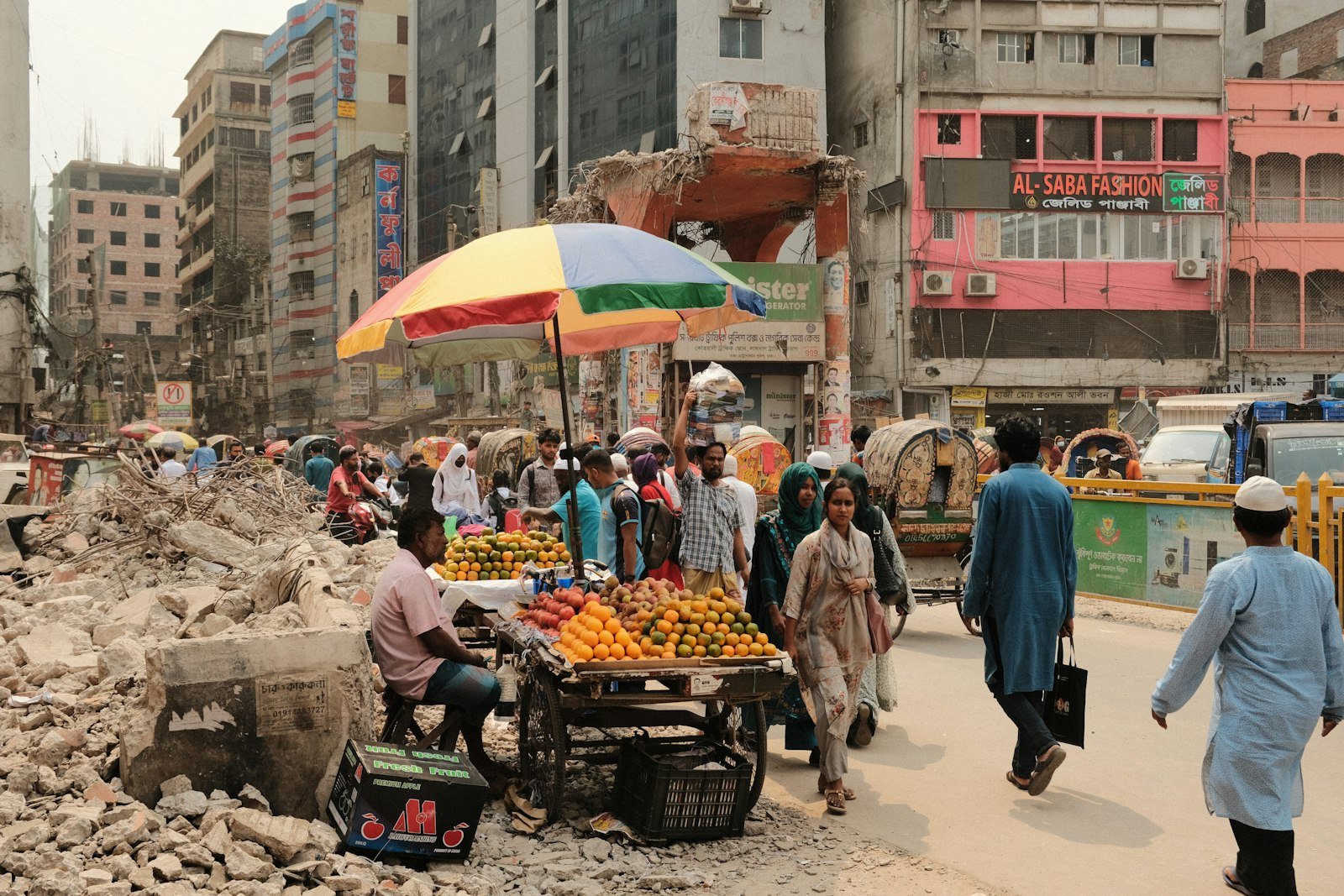
The Bangladesh Food Safety Authority (BFSA) has submitted a proposal to the planning ministry to purchase 72 mobile testing vans designed to perform instant quality checks on food items across every district and major city. Estimated at Tk 390 crore, the initiative forms part of the agency’s second-phase capacity building effort and carries a completion deadline of June 2030.
The proposed mini-labs on wheels will allow officials to test essential consumer goods such as milk, edible oil, ghee, chilli powder, and turmeric directly at retail points rather than relying solely on fixed facilities. Food Minister Afroza Khanam noted that the existing infrastructure struggles to identify adulterated goods in remote locations, positioning the mobile units as vital tools for regular monitoring.
The initiative expands upon a pilot program introduced two years ago, which deployed eight mobile testing units across divisional cities. Operational records from locations like Dhaka and Barishal indicate that each vehicle processes between 70 and 80 samples per month, screening up to 32 food types with result turnaround times ranging from a few minutes to two days.
However, the pilot project has encountered several practical obstacles, including geographical limitations like ferry routes preventing access to Bhola, alongside restricted testing capabilities for certain items. Each vehicle operates with a three-person team consisting of a driver, a laboratory technician, and an assistant, reliant on regular operational funds for fuel and maintenance.
The proposed expansion comes as the fixed laboratory infrastructure continues to face operational hurdles. A separate district mini-lab project launched in 2021 with JICA funding has been extended to December 2026, but several facilities suffer from staffing or equipment deficits. For instance, Narayanganj lacks an assigned technician, Khulna’s microbiology lab remains inactive without proper airflow equipment, and non-technical staff conduct tests in Chattogram.
Addressing these deficiencies, BFSA Chairman Md Safiqul Islam stated that the government has sanctioned 291 new positions for local offices, with equipment repairs prioritized. Meanwhile, food safety experts and consumer advocates urge caution, arguing that high upkeep costs for vehicles could outweigh benefits. Experts suggest focusing on creating low-cost domestic testing kits and reinforcing existing lab capacity before committing to large-scale fleet purchases.