


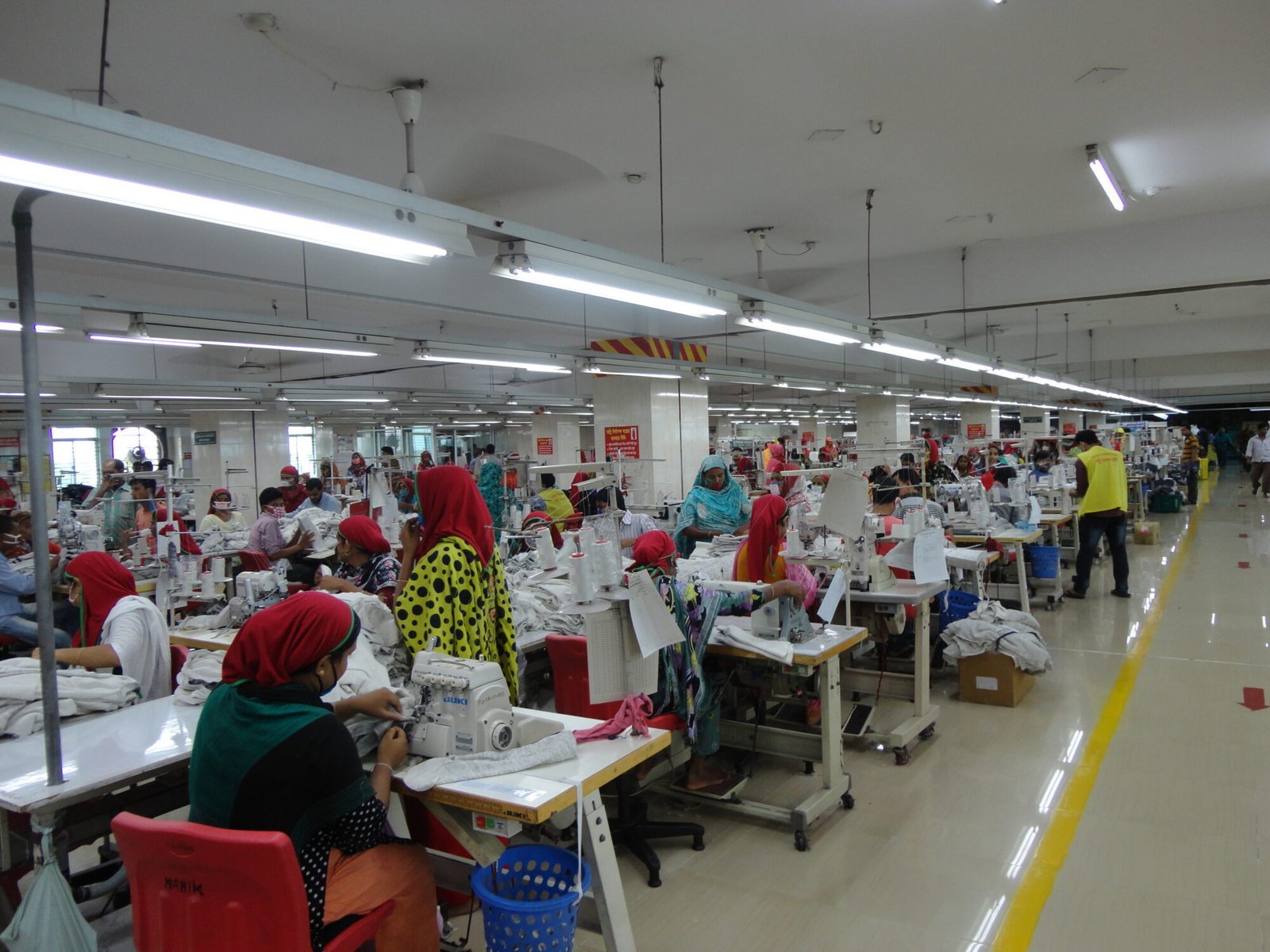
Around 200 garment factory owners gathered in Dhaka on Saturday morning for an emergency meeting to decide whether to shut down operations indefinitely following days of widespread labor unrest. The high-level discussions began at 11:00 am at the Bangladesh Garment Manufacturers and Exporters Association (BGMEA) office in Uttara, with leadership expected to brief media representatives later in the afternoon.
The garment sector has faced growing operational hurdles as protests disrupted key industrial belts, including Savar and Gazipur. Sources familiar with the emergency meeting indicated that a large segment of factory proprietors strongly favors halting operations indefinitely. Owners argued that maintaining standard production lines is no longer viable when large numbers of workers are missing from their posts.
Action has already been taken in some industrial hubs to suspend manufacturing. In Savar, 50 garment factories have already been shut down indefinitely in accordance with Section 13(1) of the Bangladesh Labour Act. Owners invoked the statutory provision after citing persistent worker absence and ongoing disruption to factory work schedules.
The unrest initially broke out on October 31 when apparel workers mobilized to demand a revised monthly minimum wage of Tk 30,000. Seeking to address the grievances, the government formed a new minimum wage board on November 1 to review the existing pay scale and evaluate a potential new wage structure for the export-oriented industry.
While street agitation temporarily quieted after November 5, renewed demonstrations erupted on November 10. The situation escalated rapidly over the following days, leading to complete production stoppages at more than 200 factories by November 12.
Amid the growing standoff, worker union representatives have appealed directly to employees to return to their jobs and end the strikes. Labor leaders also urged factory owners to keep their facilities operational and requested that local authorities drop legal cases filed against protesting workers, emphasizing that the wage conflict should be settled through mutual dialogue rather than unilateral shutdowns.
The final position taken by the BGMEA is anticipated to determine the immediate future of Bangladesh’s largest export industry as stakeholders seek a way forward.