
Close Menu
futurebangla.comfuturebangla.com
    What's Hot

    GTA VI generates record 3.79 billion dollars in first-day sales globally

    November 25, 2026

    Global oil prices drop to nearly three-month lows on returning Libyan supplies

    November 24, 2026

    Russian drone attack destroys Ukrainian apartment block near Kyiv, leaving 14 missing

    November 24, 2026
    Trending
    • GTA VI generates record 3.79 billion dollars in first-day sales globally
    • Global oil prices drop to nearly three-month lows on returning Libyan supplies
    • Russian drone attack destroys Ukrainian apartment block near Kyiv, leaving 14 missing
    • Understanding how gross domestic product is calculated and tracked in Bangladesh
    • Forty-four garment factories close in Gazipur and Ashulia over wage unrest
    • Phased plan recommended to regulate battery rickshaws while protecting driver livelihoods
    • South Korea education minister resigns after anti-AI cheating rules cause exam chaos
    • AR Rahman explores Hindustani classical roots for new film Banaras
    Wednesday, November 25
    futurebangla.comfuturebangla.com
    • Bangladesh
    • World
    • Economy
    • Tech & Media
    • Politics
    • Society
    futurebangla.comfuturebangla.com
    Home»Economy»India approves $6.65 billion winter fertilizer subsidy amid rising global prices
    Economy

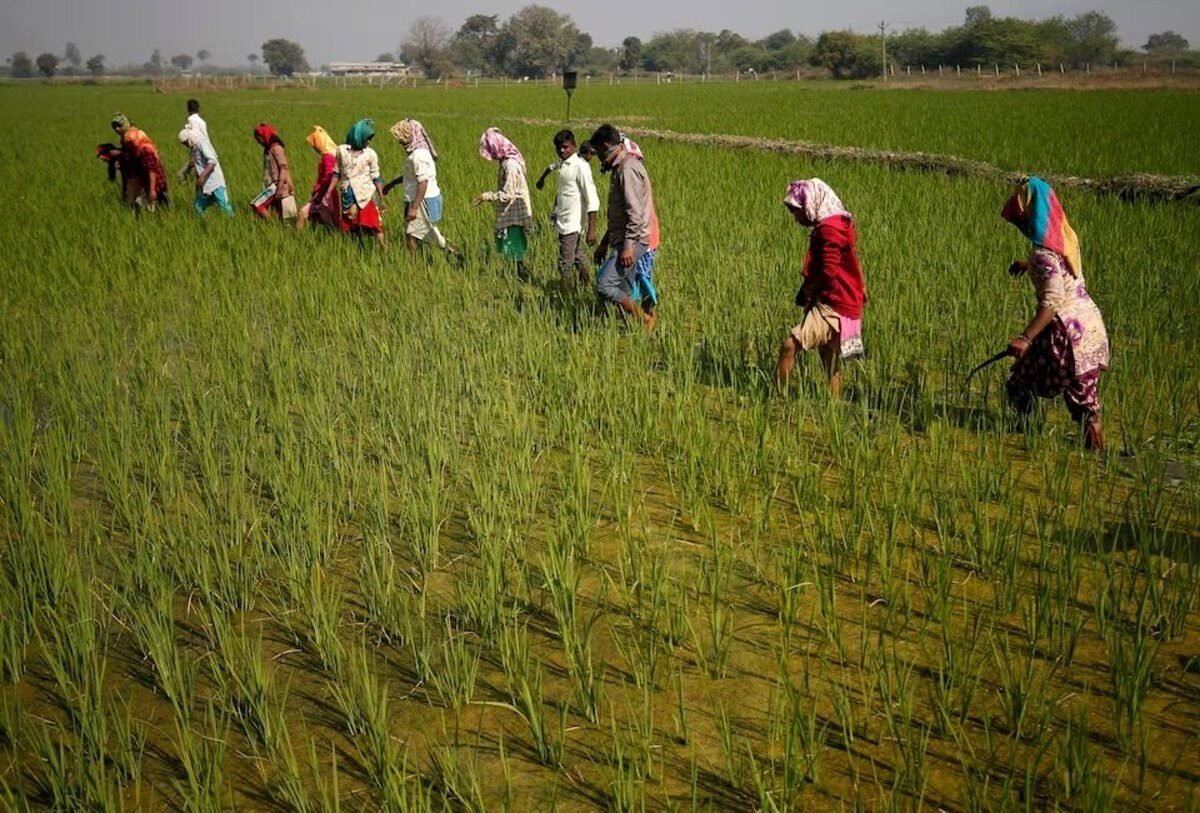
    India approves $6.65 billion winter fertilizer subsidy amid rising global prices

    Future Bangla DeskBy Future Bangla DeskNovember 12, 2026Updated:November 14, 20262 Mins Read
    India approves $6.65 billion winter fertilizer subsidy amid rising global prices

    The Indian government has sanctioned a massive fertilizer subsidy package worth over 660 billion rupees to secure adequate supplies for farmers throughout the upcoming winter crop season. Speaking on Wednesday, Information and Broadcasting Minister Ashwini Vaishnaw confirmed that the Union Cabinet approved 623.70 billion rupees, equivalent to roughly $6.65 billion, for the six-month period spanning October 2026 to March 2027.

    The allocation represents a sharp surge from the previous winter crop cycle, when the government set aside 379.5 billion rupees for fertilizer support. This year’s allotment reflects an increase of 244.2 billion rupees, amounting to a growth of nearly 64 percent in financial assistance aimed at keeping retail prices manageable for domestic agricultural producers.

    Rising international price volatility and ongoing global supply chain disruptions driven by international conflicts, including the war between Russia and Ukraine, have significantly driven up India’s import expenses. To offset these external pressures, the Indian government opted to alter its subsidy formulas to match fluctuating world market rates for critical agricultural materials.

    The financial assistance will be distributed under the government’s Nutrient-Based Subsidy scheme, which focuses on phosphatic and potassic fertilizers. These include key compounds such as Di-Ammonium Phosphate alongside various NPK grades. Authorities recalculated the subsidy rates after factoring in global cost trends for raw materials like urea, Di-Ammonium Phosphate, Muriate of Potash, and sulphur.

    Following the Cabinet’s latest decision, total fertilizer subsidy requirements across both the summer and winter farming cycles have risen to approximately 1.04 trillion rupees. The new figure represents a dramatic shift from the FY 2026-27 national budget, which initially allocated 540 billion rupees for nutrient-based fertilizer assistance. The updated operational requirement exceeds that specific budget line by roughly 92 percent.

    Nevertheless, the government’s comprehensive budget for all fertilizer categories—which incorporates urea alongside nutrient-based varieties—remains set at 1.7 trillion rupees for the current fiscal year. Official statements reiterated that sustaining agricultural production and safeguarding the national food supply require substantial public expenditure to shelter domestic farmers from global cost surges.

    Previous ArticleUS dollar exchange rate crosses Tk 125 in Bangladeshi commercial banks
    Next Article Indonesia alerts banks after sensors detect 1.2 million cyberattacks in one day

    Related Posts

    Global oil prices drop to nearly three-month lows on returning Libyan supplies

    November 24, 2026

    Understanding how gross domestic product is calculated and tracked in Bangladesh

    November 24, 2026

    Forty-four garment factories close in Gazipur and Ashulia over wage unrest

    November 24, 2026
    Top Posts

    Nasscom chief warns artificial intelligence is threatening entry-level tech jobs in India

    November 9, 2026

    Microsoft apologises for massive cloud outage affecting services across 74 countries

    November 16, 2026

    Grameen Bank reports 72 branch offices attacked across Bangladesh in 10 days

    November 20, 2026
    About
    About

    Future Bangla is an independent digital news platform delivering timely, accurate news from Bangladesh and around the world. We cover politics, economy, technology, society, and in-depth explainers.

    Most Popular

    GTA VI generates record 3.79 billion dollars in first-day sales globally

    November 25, 2026

    Popular mobile battle royale game Free Fire relaunches in India after ban

    November 2, 2026

    Mobile operators demand lower spectrum prices ahead of licence expiry

    November 2, 2026
    Our Picks

    GTA VI generates record 3.79 billion dollars in first-day sales globally

    November 25, 2026

    Global oil prices drop to nearly three-month lows on returning Libyan supplies

    November 24, 2026

    Russian drone attack destroys Ukrainian apartment block near Kyiv, leaving 14 missing

    November 24, 2026
    © 2026 Future Bangla. All Rights Reserved.
    • About us
    • Contact us
    • Privacy Policy
    • Terms and Conditions
    • Disclaimer

    Type above and press Enter to search. Press Esc to cancel.