


India’s Unified Payments Interface recorded its highest-ever monthly volume in October, handling 25.47 billion payments as daily usage and transaction values continued to expand. Figures published by the National Payments Corporation of India show a 5.8 percent increase over the 24.07 billion transactions processed in September and a 23 percent rise compared to October last year.
The cumulative monetary value of transactions executed through the network rose to 31.53 lakh crore rupees during the month. This marks a roughly 7 percent increase from September and a 16 percent growth year-on-year. Daily transaction volumes reached an average of 822 million, up from 802 million in the prior month, while daily monetary transfers exceeded one lakh crore rupees. The network now connects 758 operational banking institutions.
Everyday retail activity drove the bulk of overall volume. Person-to-merchant payments accounted for 16.09 billion transactions, representing 63 percent of total usage, though they comprised only about 31 percent of total monetary value. The average merchant payment stood at approximately 600 rupees. Conversely, person-to-person transfers totaled 9.37 billion transactions, generating nearly 69 percent of total value with an average transfer size of around 2,330 rupees. The total average ticket size across the platform grew to 1,238 rupees from 1,220 rupees in September.
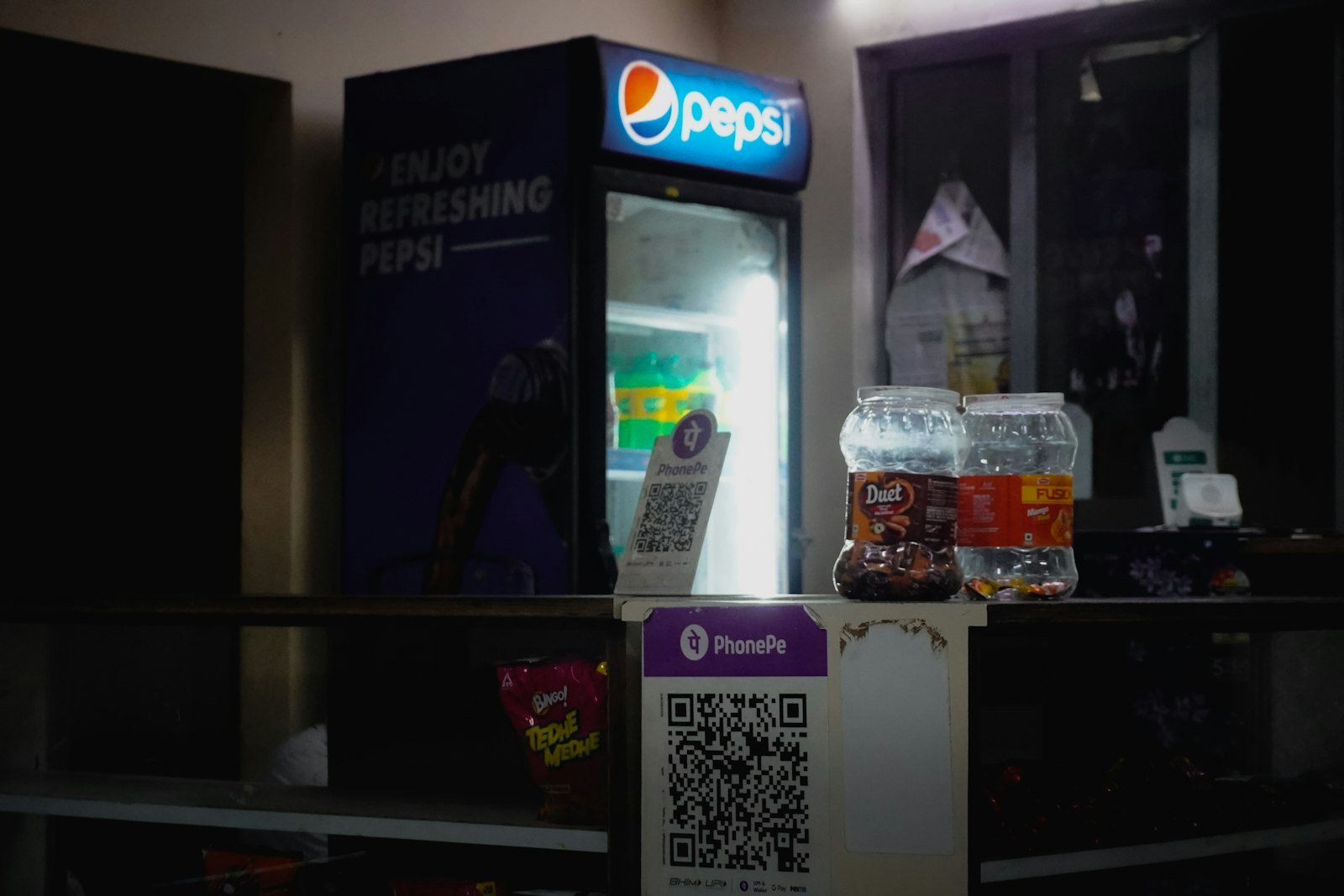
Market participation remains dominated by a small group of providers. September data indicates PhonePe held a 45.6 percent share of transaction volumes, followed by Google Pay at 32.2 percent and Paytm at 8.1 percent. While regulators continue to monitor market concentration, a proposed fee targeting larger merchant transactions has been delayed until after the festive period. Most transactions on the system remain free for end users.
The expansion offers broad insights for South Asian financial technology development, including Bangladesh. Unlike Bangladesh’s mobile financial services ecosystem, led by providers such as bKash and Nagad, UPI operates as an open, shared infrastructure linking participating financial entities without user charges. Initiatives such as the Bangla QR standard, interoperability pushes, and Bangladesh Bank’s initial approval of five digital banks in September reflect similar goals to expand digital rails and reduce transaction friction.