


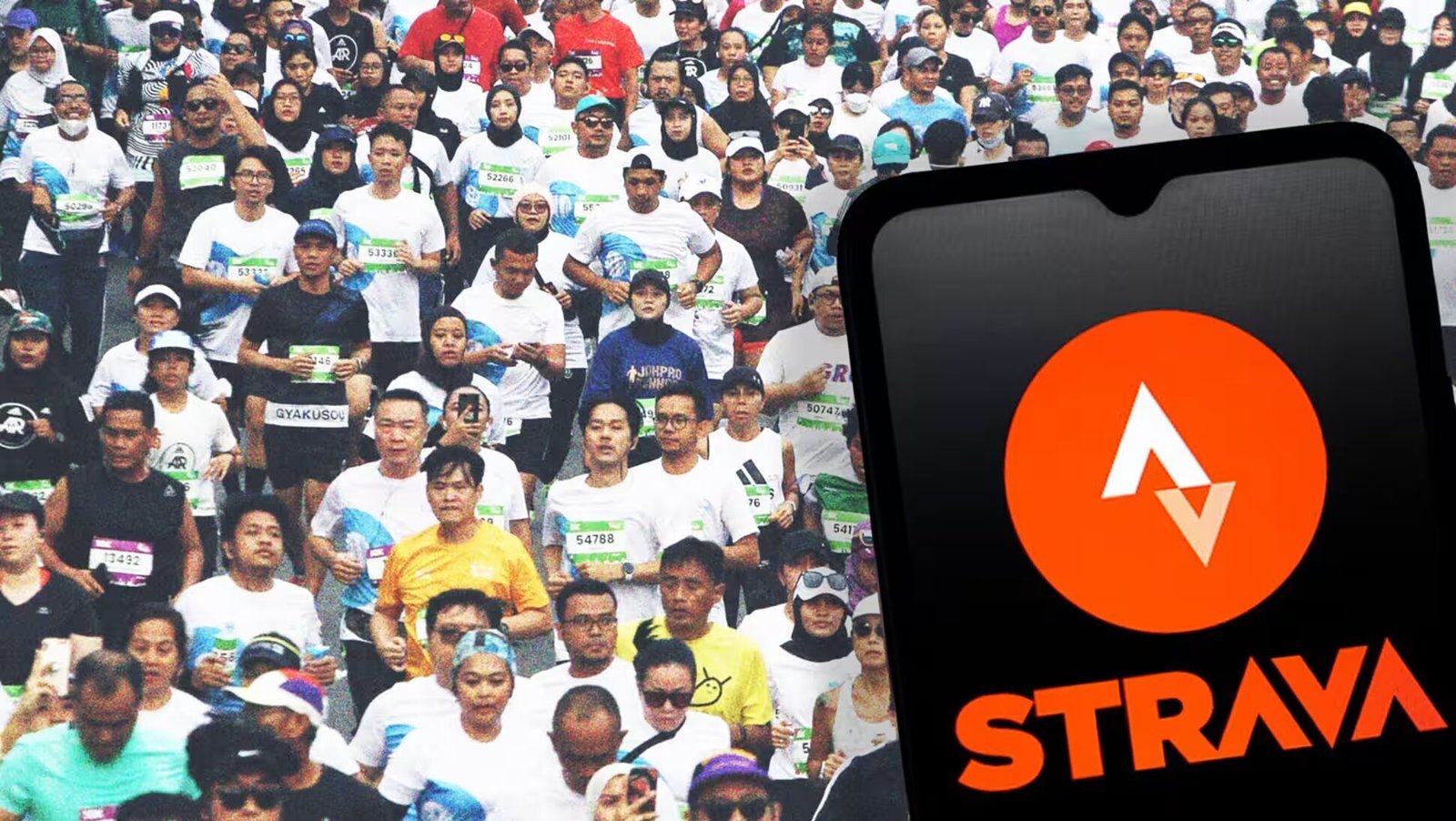
Urban Indonesians are increasingly hiring proxy runners to complete fitness targets and fake their achievements on workout applications like Strava. Known locally as “jasa joki lari,” the paid service involves hired runners completing physical distances and uploading the activity metrics directly into their clients’ accounts.
The practice has expanded across major cities following a post-pandemic surge in running and online competition. Hired runners frequently market their services on X and Threads, catering to university students, beginner runners, and office workers under pressure to meet workplace physical activity challenges.
Service fees generally vary based on distance and running speed. Lila, a 27-year-old runner who manages a team of proxies across Indonesia, charges 25,000 rupiah per kilometer for a moderate pace and 50,000 rupiah per kilometer for faster speeds. Another runner, Rizki, charges between 40,000 and 120,000 rupiah for distances of five to ten kilometers, targeting exhausted corporate employees who lack energy after long shifts.
Clients seek out proxy runners for various reasons, ranging from earning competition prizes like shoes to maintaining an active personal image. Akbar, a 27-year-old entrepreneur, admitted to using proxy runners five or six times over two years for 10-to-15-kilometer routes to preserve his fitness reputation among colleagues without putting in the time.
However, fitness experts caution against the trend, particularly for individuals claiming marathon readiness. Riza Muhammad, a content creator based in Bandung, emphasized that outsourcing runs deprives individuals of necessary physical endurance. In addition, trainers can often detect fraudulent uploads, such as runs recorded on motorcycles, by spotting mismatches between heart rate and speed data.
Strava has warned that logging false activity data or letting others access an account violates its terms of service and can lead to suspension. Observers also point out that individuals caught faking their performance risk social exclusion if their real-world running abilities fail to match their online records.