


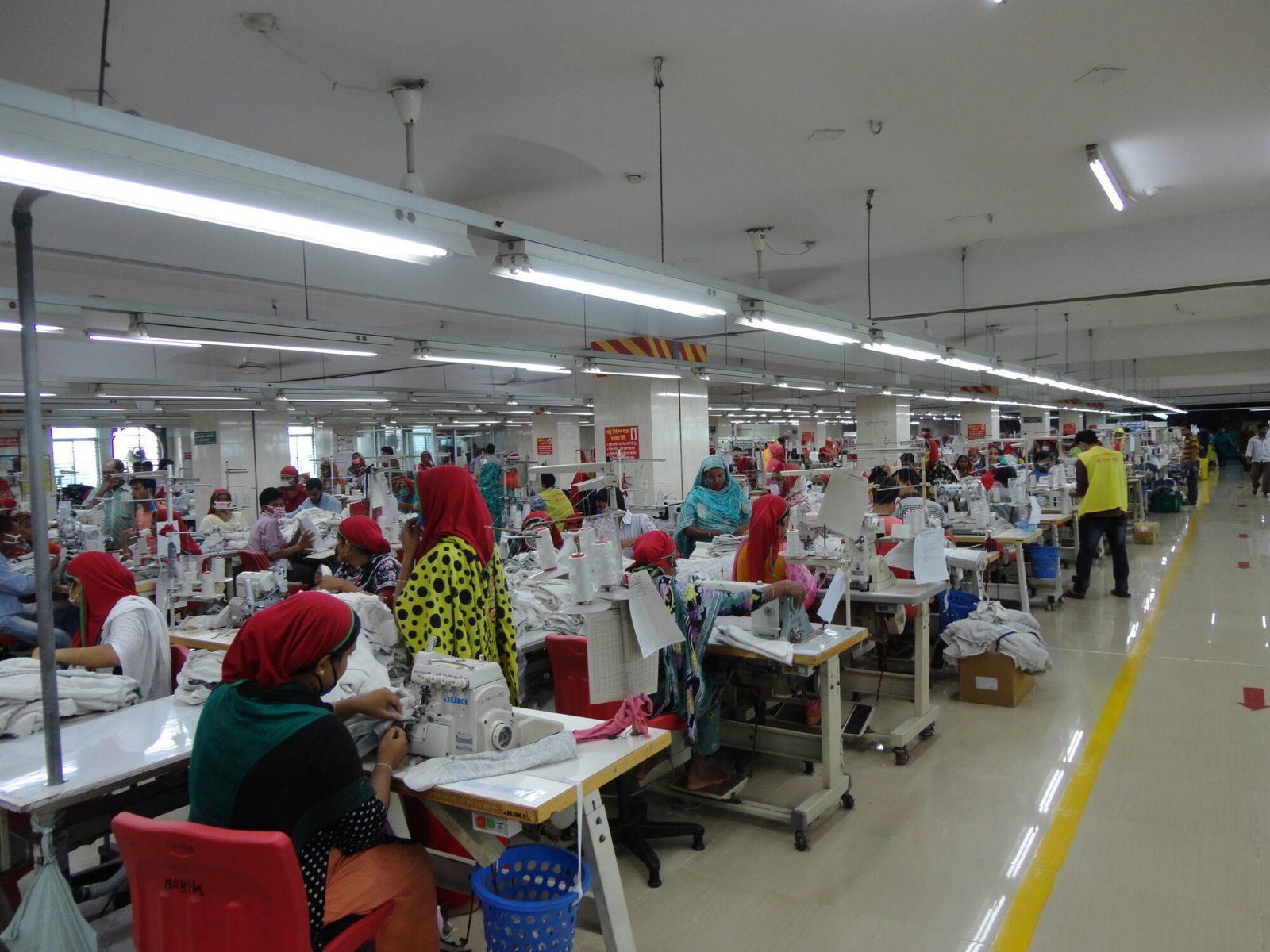
The newly established minimum wage board for Bangladesh’s ready-made garment industry convened its second meeting on Monday in Dhaka to discuss a new pay structure for the sector. Gathered at noon in the board’s Segunbagicha office with all appointed members present, the panel officially received formal demands from prominent labor organizations.
Five major trade union alliances, which collectively represent 55 registered labor federations, formally presented a memorandum advocating for a monthly minimum wage of Tk 32,131 for garment workers. As part of their proposed pay breakdown, the groups outlined that basic salary should comprise 60 percent of the total earnings, complemented by a house-rent allocation of 50 percent and an annual wage increment of 15 percent.
In their submission, the union groups urged the wage board to carefully assess 12 specific benchmarks before arriving at a final decision. These recommended considerations include the soaring living expenses of workers, existing national government pay scales, general minimum wage trends across Asian economies, and garment sector pay rates in regional competitors including Vietnam, India, Pakistan, and Cambodia.
Labor representatives pointed out that the living conditions of approximately 4 million garment workers, out of Bangladesh’s total labor force of roughly 75 million, require deep consideration during the negotiations. They argued that maintaining a 60 percent basic pay ratio, modeled after the industry’s 2006 wage framework, is necessary to protect employee earnings. Labour leaders warned that a smaller basic pay share depresses overtime rates and diminishes terminal service benefits accumulated over long careers.
The union alliances announced plans to submit eight additional recommendations following the meeting, focusing on specific provisions for workers employed in dyeing and knitwear manufacturing. However, conflicting demands emerged right outside the Segunbagicha premises during the proceedings.
Demonstrators associated with the Garments Workers Front staged a street protest outside the office, blocking traffic to press for a higher monthly minimum pay of Tk 37,000. The wage board now faces two competing wage figures put forward by labor groups, leaving the panel to consider requests ranging between Tk 32,131 and Tk 37,000 per month.