


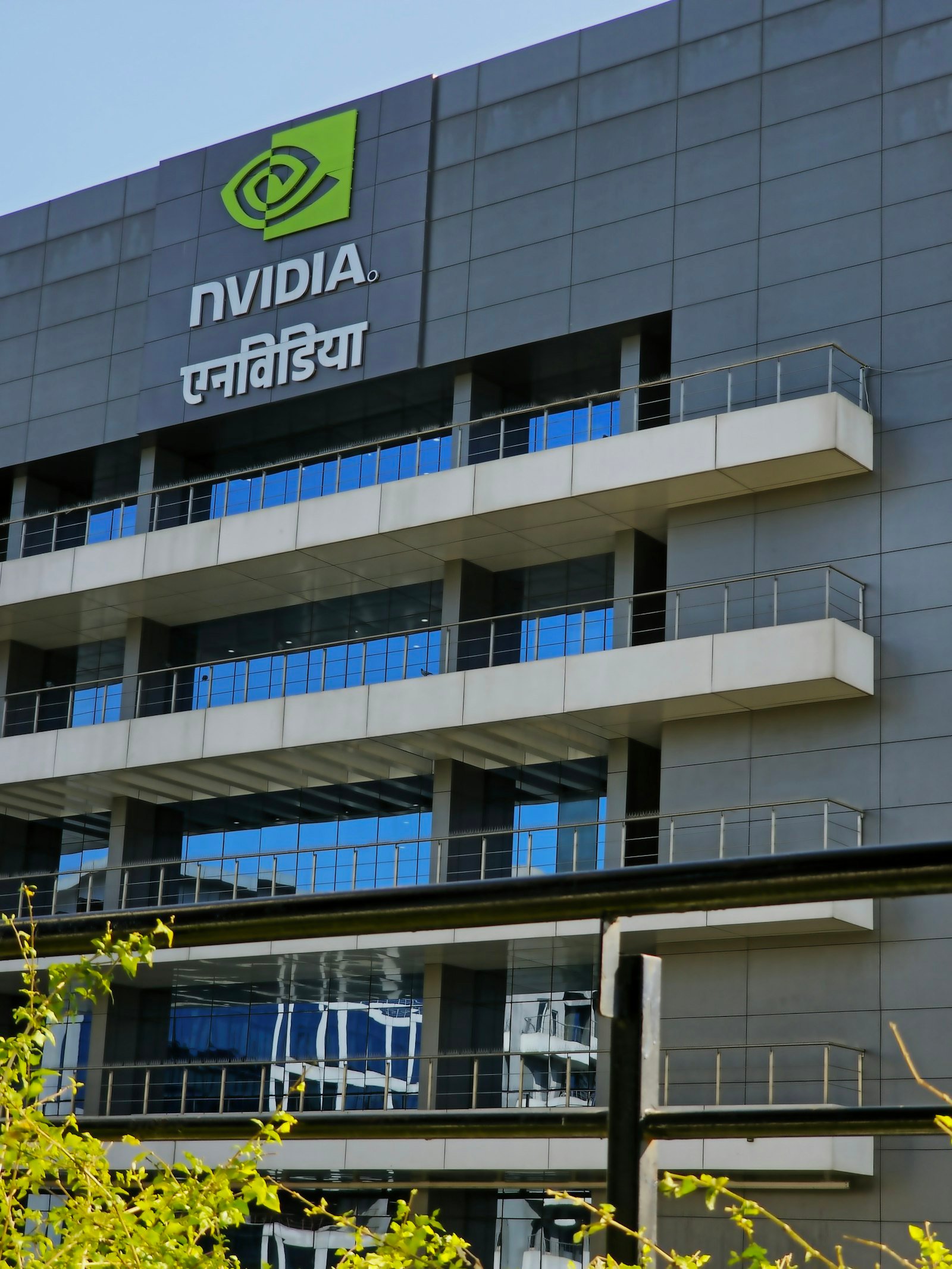
Nvidia has launched an independent investigation into its chief executive, Jensen Huang, following reports that he was targeted in a foreign intelligence operation. The board of directors announced on Sunday that an independent committee, backed by external legal counsel, will supervise the review. Officials stated they have no indication that American national security or proprietary company data was breached, maintaining full trust in Huang and his executive team. Huang stated that he backs the inquiry and will collaborate completely.
The review stems from reports published last month by The New York Times regarding American investigations into Alice Huang, an unrelated former executive at Megaspeed. Based in Singapore, Megaspeed purchases Nvidia artificial intelligence processors and ranks among its premier customers in Southeast Asia. According to the newspaper, the firm acquired over $4.8 billion in chips across two years, and United States intelligence officials suspect Alice Huang operated for China’s Ministry of State Security. These allegations remain untested in any legal proceeding, while Beijing’s foreign ministry rejected the espionage claims as groundless.
In an internal communication to employees, Jensen Huang admitted to marital infidelity and offered an apology without identifying any individuals. United States Secretary of State Marco Rubio chose not to address the matter, describing it as an internal corporate issue, while Megaspeed did not reply to inquiries. Market reaction was measured, with Nvidia shares declining roughly 3.4 percent in after-hours trading on Monday following a previous close of $186.64. Meanwhile, Asian semiconductor suppliers including TSMC, SK Hynix, and Samsung Electronics recovered strongly during the same trading session.
Operational impacts emerged as Madison Huang, an Nvidia executive and the CEO’s daughter, called off a scheduled trip to Seoul involving meetings with regional firms. The company’s upcoming artificial intelligence event in Seoul is reportedly proceeding as planned, and South Korean officials anticipate no delays in agreed hardware deliveries. Observers cautioned that a prolonged inquiry could delay corporate investments, product rollouts, and shipments connected to China.
For Bangladesh, the development highlights how closely artificial intelligence hardware is connected to international geopolitics. Nvidia processors face strict American export controls, with Singapore and neighboring regional hubs serving as primary locations for regional purchasing and data center construction. Increased scrutiny on major regional buyers will likely trigger stricter evaluations throughout the supply chain. This shift impacts local telecommunications companies, cloud service providers, academic institutions, and government bodies procuring advanced servers through regional distributors, likely resulting in extended delivery schedules and rigorous end-user verification.