


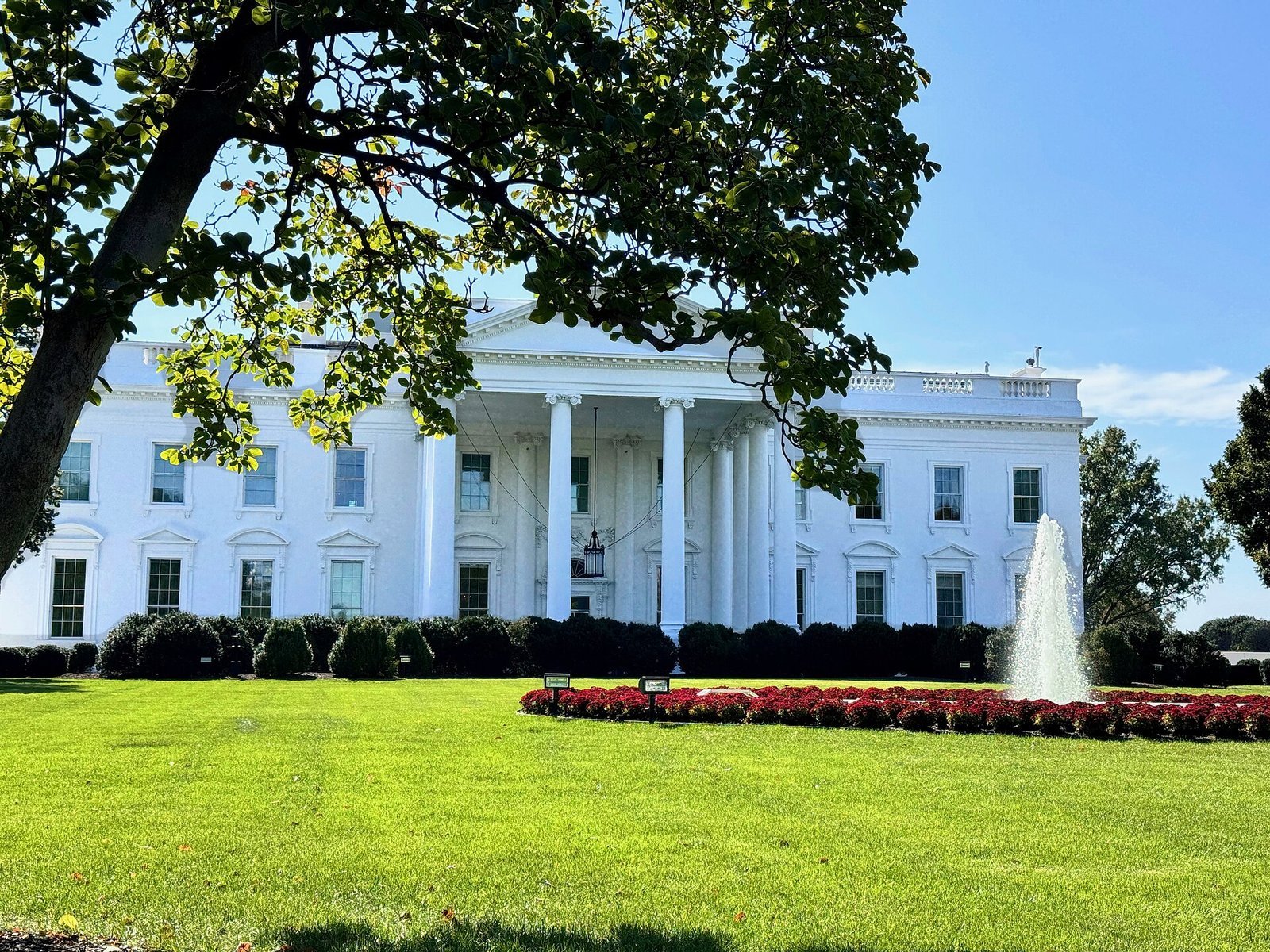
United States President Donald Trump has instructed Vice President JD Vance to step away from diplomatic talks with Iran and focus instead on an anti-fraud campaign targeting Democrat-controlled cities and states. In a post on Thursday, Trump stated that Washington no longer requires a diplomatic agreement with Tehran, leaving international negotiations in limbo.
The shift effectively sidelines Vance, who had been serving as the administration’s primary negotiator alongside envoys Jared Kushner and Steve Witkoff. A memorandum negotiated by the three officials in June had briefly paused the conflict, but diplomatic reports indicate that the agreement is no longer active.
Trump’s announcement follows comments made earlier in the week after meeting Qatar’s prime minister, where he described the war as militarily effectively over and called major new strikes highly unlikely. However, speaking to radio host Hugh Hewitt on Thursday, Trump warned that American forces were locked and loaded if diplomatic efforts failed to yield results.
Qatar has served as the key mediator working on an interim arrangement to reopen maritime traffic in the Strait of Hormuz. Diplomats reported that those negotiations are now in doubt following the latest developments from Washington.
Tehran has stated it will not engage in talks regarding its nuclear programme until the United States accepts core ceasefire conditions. Gholamhossein Darzi, Iran’s deputy ambassador to the United Nations, said Tehran has not shut the door on diplomacy but warned of an immediate and decisive response if the US or Israel resume military strikes.
US Secretary of State Marco Rubio defended the strategic pivot, stating that severe economic pressure on Iran makes direct military intervention unnecessary. Rubio added that Washington would only support a future agreement if it avoided being a weak compromise.
The conflict, which began on 28 February, continues to disrupt global shipping alongside an ongoing US naval blockade restricting Iranian crude exports. The UK Maritime Trade Operations reported eight incidents in the Strait of Hormuz in the week leading to Friday, with transit levels down roughly 65 percent compared to pre-war numbers as analysts predict an extended stalemate.