


Tech giant Microsoft has been pressing the Trump administration to drop plans prohibiting imports of Chinese-made optical transceivers, which serve as crucial hardware for artificial intelligence data centres, according to a Reuters report citing three sources familiar with the matter. Microsoft chose not to comment on the report.
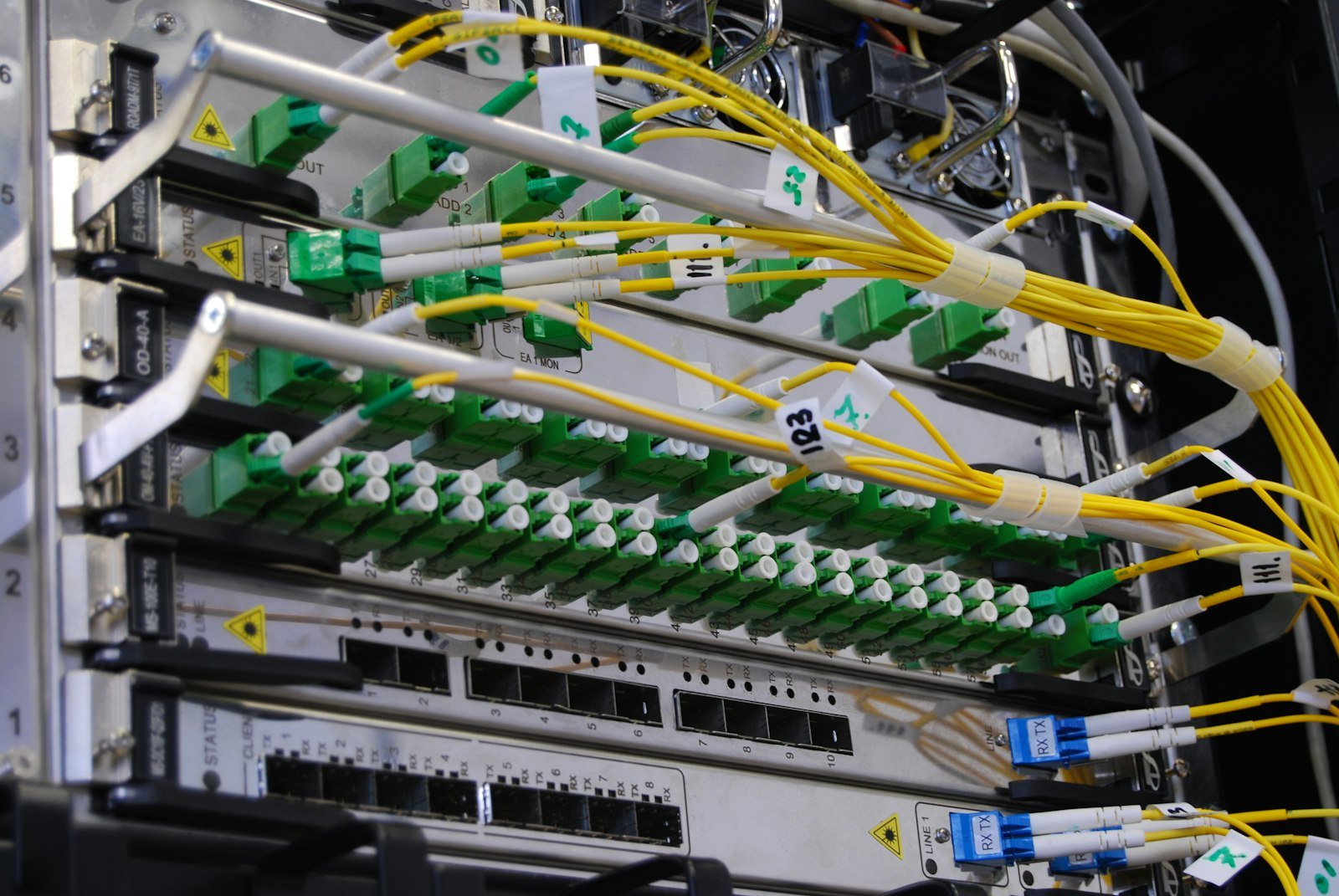
Optical transceivers convert electrical signals into light pulses to transmit data across fibre-optic cables linking servers, switches, and processing chips. Large-scale facilities require millions of these components, making them an indispensable element of modern computing infrastructure.
The US Federal Communications Commission has drafted regulations since last summer aimed at stopping new Chinese transceiver models from entering the American market. US officials have expressed concerns that Beijing could leverage these components to intercept data, deploy malicious software, or cause service disruptions.
Research firm Counterpoint Research estimates that Chinese manufacturers produce about two-thirds of the world’s optical transceivers. Companies such as Zhongji Innolight—which appears on a Pentagon list of firms linked to China’s military—and Eoptolink dominate the market for high-speed modules. Although American producers like Coherent and Lumentum offer alternatives, analysts note they currently lack the capacity to make up for lost Chinese supplies.
Industry data from Cleanview shows Microsoft currently has 35 data centres undergoing construction in the US, with an additional 134 planned. To highlight supply chain vulnerabilities, Microsoft officials joined meetings in September with representatives from the National Security Council and the White House science office. The Information Technology Industry Council warned that restricting these imports could severely delay data centre expansion, leaving expensive AI chips non-functional without connection hardware.
Reports indicate the administration may narrow the restrictions. Investment firm Morgan Stanley noted in October that officials were evaluating a ban restricted to 3.2-terabit-per-second transceivers, a high-capacity class not expected to see widespread adoption until 2029. Separately, US lawmakers introduced bipartisan legislation in September to prohibit federal agencies from employing Chinese transceivers within sensitive networks.
The developing restrictions highlight how telecom hardware is increasingly becoming entangled in global geopolitical friction. Data centre and internet service providers across South Asia, including Bangladesh, rely heavily on Chinese optical hardware. While a US market restriction might prompt Chinese vendors to direct more supply toward Asian markets at competitive prices, regional operators face growing pressure to carefully track their equipment supply chains to meet international security standards.