


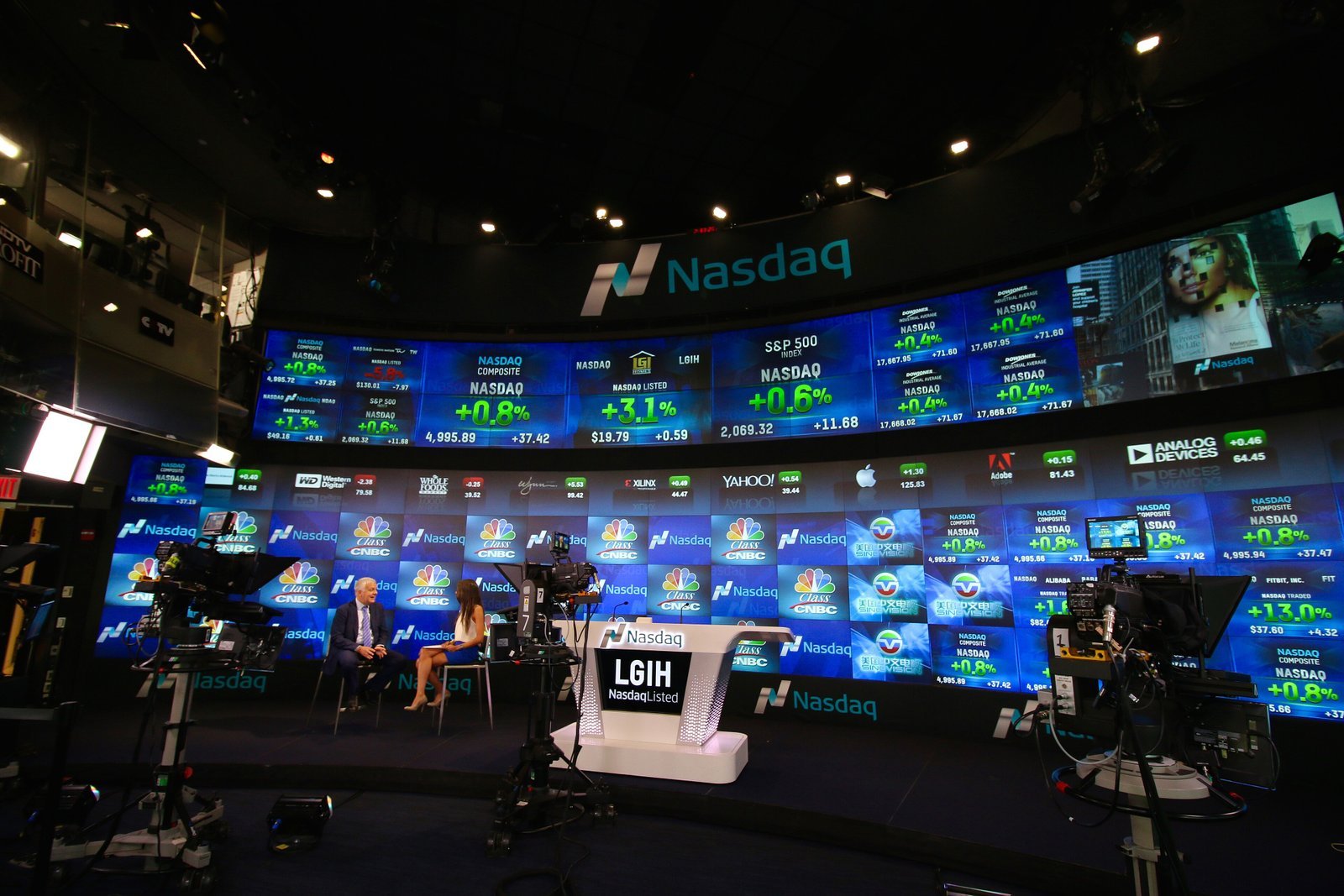
Higher-than-anticipated inflation in the United States during October has significantly reinforced market expectations that the Federal Reserve will raise interest rates at its upcoming policy meeting in December. Official figures reported by Yahoo Finance showed that consumer prices climbed by 0.4 percent compared to the previous month, outpacing the 0.3 percent rise projected by economists. While this marked a slight moderation from the 0.6 percent increase seen in September, the persistent upward momentum in prices has strengthened the case for another interest rate increase.
The latest economic data has left financial market traders overwhelmingly convinced that the central bank will move to tighten monetary policy again. Market participants are heavily betting on a quarter-percentage-point rate increase when Federal Reserve officials gather on December 8 and 9, while a smaller group of traders is positioning for a larger half-point hike. Meanwhile, full year-on-year inflation metrics were limited because of missing data resulting from last year’s federal government shutdown.
Prior to the publication of the consumer price statistics, futures markets had already indicated approximately an 80 percent chance of a Federal Reserve rate increase in December, based on Reuters reporting. The stronger inflation reading pushed those odds even higher, prompting immediate reactions across financial asset classes. Wall Street equities slipped during morning trading following the report, with the Dow Jones Industrial Average edging down around 0.3 percent and the broader S&P 500 index weakening by 0.2 percent. In fixed income markets, the yield on 10-year US Treasury notes advanced toward the 5 percent mark.
The central bank had previously executed a rate hike in September, which marked its first interest rate increase in three years, before deciding to maintain borrowing costs at their existing levels in October. The renewed pressure for higher rates arrives amid broader instability in equity markets, particularly following a challenging period for high-profile technology stocks.
The S&P 500 technology sector experienced a steep drop of 7.3 percent last Thursday, representing its worst single-day retreat in more than six years. Furthermore, the tech-focused Nasdaq Composite ended the week nearly 12 percent lower than its previous record high set on October 6. The hot inflation data now leaves investors adjusting to the strong likelihood of higher borrowing costs while recovering from recent steep losses across technology shares.