


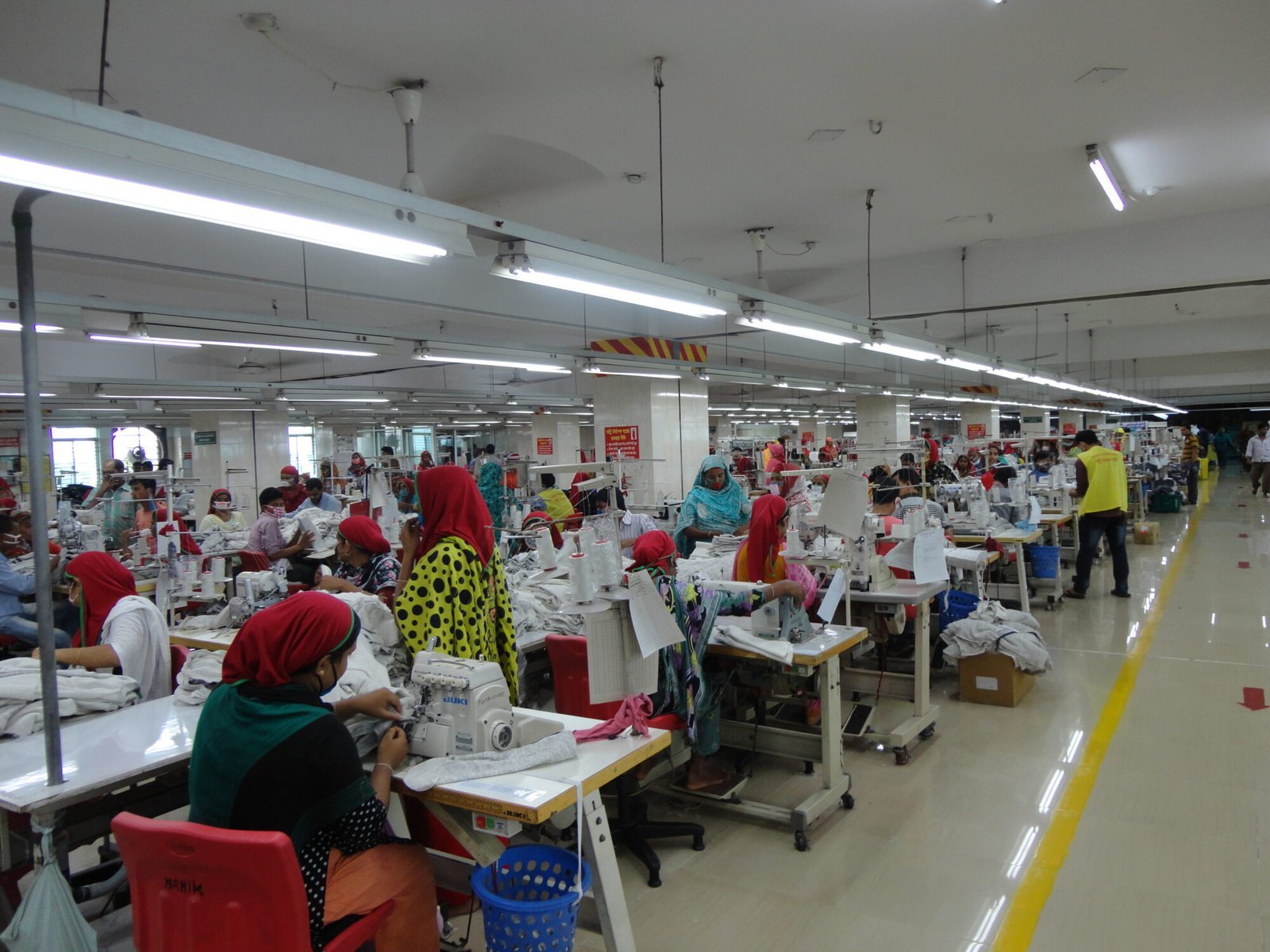
The Minimum Wage Board of Bangladesh has finalized a new baseline monthly salary of Tk 17,000 for garment sector workers, reflecting a 36 percent increase over the Tk 12,500 baseline established in 2023. Board Chairman Syed Azad Subhani announced the decision around 4 am on Wednesday, November 25, after labor representatives and factory owners were unable to reach a mutual agreement on the lowest wage bracket.
Under the newly approved structure, compensation across higher employment ranks will also see significant adjustments, with overall pay increases ranging from 36 percent to 43 percent compared to the 2023 scale. Grade 1 workers will receive the largest boost, seeing their monthly earnings rise from Tk 15,035 to Tk 21,500. Meanwhile, the board fixed the monthly pay for Grade 2 workers at Tk 20,000 and Grade 3 workers at Tk 19,200, with the updated rates scheduled to come into effect in December.
The vote on the base rate followed intense debate between negotiating parties. Labor delegates had originally called for the lowest grade salary to be fixed at Tk 18,000, whereas factory owners offered Tk 16,000. Facing a stalemate, the board chairman called a vote on the Tk 17,000 proposal, which ultimately passed with four votes in favor and two opposed. The majority comprised two representatives from the ownership side, one independent board member, and the chairman, while both labor representatives voted against the resolution.
Following the announcement, Labour and Employment Minister Ariful Haque Choudhury stated on Thursday that all garment manufacturing units are expected to reopen on Saturday. He highlighted that explicit instructions had been issued by the prime minister to ensure smooth operations resume across the country. The minister appealed to both factory management and workers to avoid rash decisions that could potentially harm the national garment industry.
The wage setting comes in the wake of weeks of persistent labor unrest that led to forced closures of dozens of apparel facilities in key industrial corridors such as Gazipur and Ashulia. Because labor delegates formally dissented against the approved Tk 17,000 minimum rate, stakeholders anticipate close monitoring of labor relations as factories prepare to restart operations.