


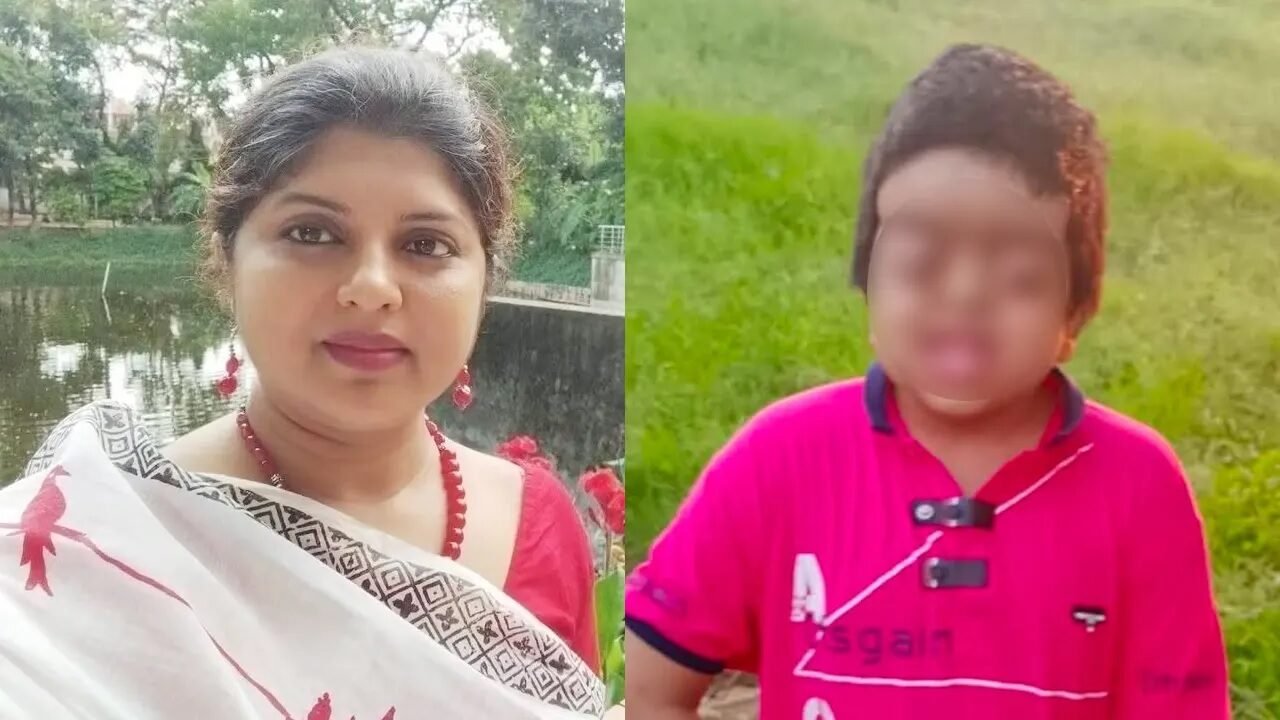
A 15-year-old disabled teenager, Niswarg Hossain Tury, passed away on the night of November 27 without seeing his detained mother one last time. The following afternoon around noon, his body was brought to the gate of Kashimpur Women’s Central Jail so his mother, Sharmin Sultana Shormi, could view him briefly before burial.
Sharmin, a central leader of the banned Jubo Mohila League, has been in custody since her arrest on October 3 in the Sheikh Shaheb Bazar area of Lalbagh. She was detained in connection with a case filed under the Anti-Terrorism Act. Following her arrest, concerns arose regarding Tury’s medical care, as he required continuous medication and had an unfinished surgical procedure.
During her initial detention, Sharmin had warned in a social media video that no one was available to manage her son’s daily healthcare needs. In her absence, Tury’s younger sister assumed the burden of caring for him. Specific details regarding Tury’s exact medical condition or official cause of death have not been disclosed publicly.
Family members and legal representatives stated that they requested emergency parole so Sharmin could see her son before he died. However, prison officials did not grant the release prior to his death, citing national security concerns. The authorities later arranged the brief meeting at the prison entrance on humanitarian grounds after securing high-level approval.
The case has drawn attention to emergency parole procedures established by the Ministry of Home Affairs in January 2026. These regulations permit prisoners temporary leave for up to 12 hours under police escort upon the death of a close relative, including a child. District magistrates retain the authority to evaluate these requests based on travel distance and security risks.
The incident has raised broader debate regarding the state’s obligations under international frameworks, including Article 7 of the United Nations Convention on the Rights of Persons with Disabilities. Advocates note that the best interests and health needs of children with disabilities must remain a priority regardless of legal proceedings involving their guardians.
Observer groups emphasize that while criminal proceedings and security protocols must be maintained, authorities must balance law enforcement with basic human rights. Tury’s death underscores the urgent need for functioning mechanisms to address emergency family situations and care guarantees for vulnerable dependents when primary caregivers are detained.