
Close Menu
futurebangla.comfuturebangla.com
    What's Hot

    Nur Mohammad takes charge as Agrani Bank MD and CEO

    November 25, 2026

    GTA VI generates record 3.79 billion dollars in first-day sales globally

    November 25, 2026

    Global oil prices drop to nearly three-month lows on returning Libyan supplies

    November 24, 2026
    Trending
    • Nur Mohammad takes charge as Agrani Bank MD and CEO
    • GTA VI generates record 3.79 billion dollars in first-day sales globally
    • Global oil prices drop to nearly three-month lows on returning Libyan supplies
    • Russian drone attack destroys Ukrainian apartment block near Kyiv, leaving 14 missing
    • Understanding how gross domestic product is calculated and tracked in Bangladesh
    • Forty-four garment factories close in Gazipur and Ashulia over wage unrest
    • Phased plan recommended to regulate battery rickshaws while protecting driver livelihoods
    • South Korea education minister resigns after anti-AI cheating rules cause exam chaos
    Wednesday, November 25
    futurebangla.comfuturebangla.com
    • Bangladesh
    • World
    • Economy
    • Tech & Media
    • Politics
    • Society
    futurebangla.comfuturebangla.com
    Home»Bangladesh»Microsoft urges US administration against ban on Chinese optical transceiver imports
    Bangladesh

    Microsoft urges US administration against ban on Chinese optical transceiver imports

    Future Bangla DeskBy Future Bangla DeskNovember 11, 20262 Mins Read
    Microsoft urges US administration against ban on Chinese optical transceiver imports

    Tech giant Microsoft has been pressing the Trump administration to drop plans prohibiting imports of Chinese-made optical transceivers, which serve as crucial hardware for artificial intelligence data centres, according to a Reuters report citing three sources familiar with the matter. Microsoft chose not to comment on the report.

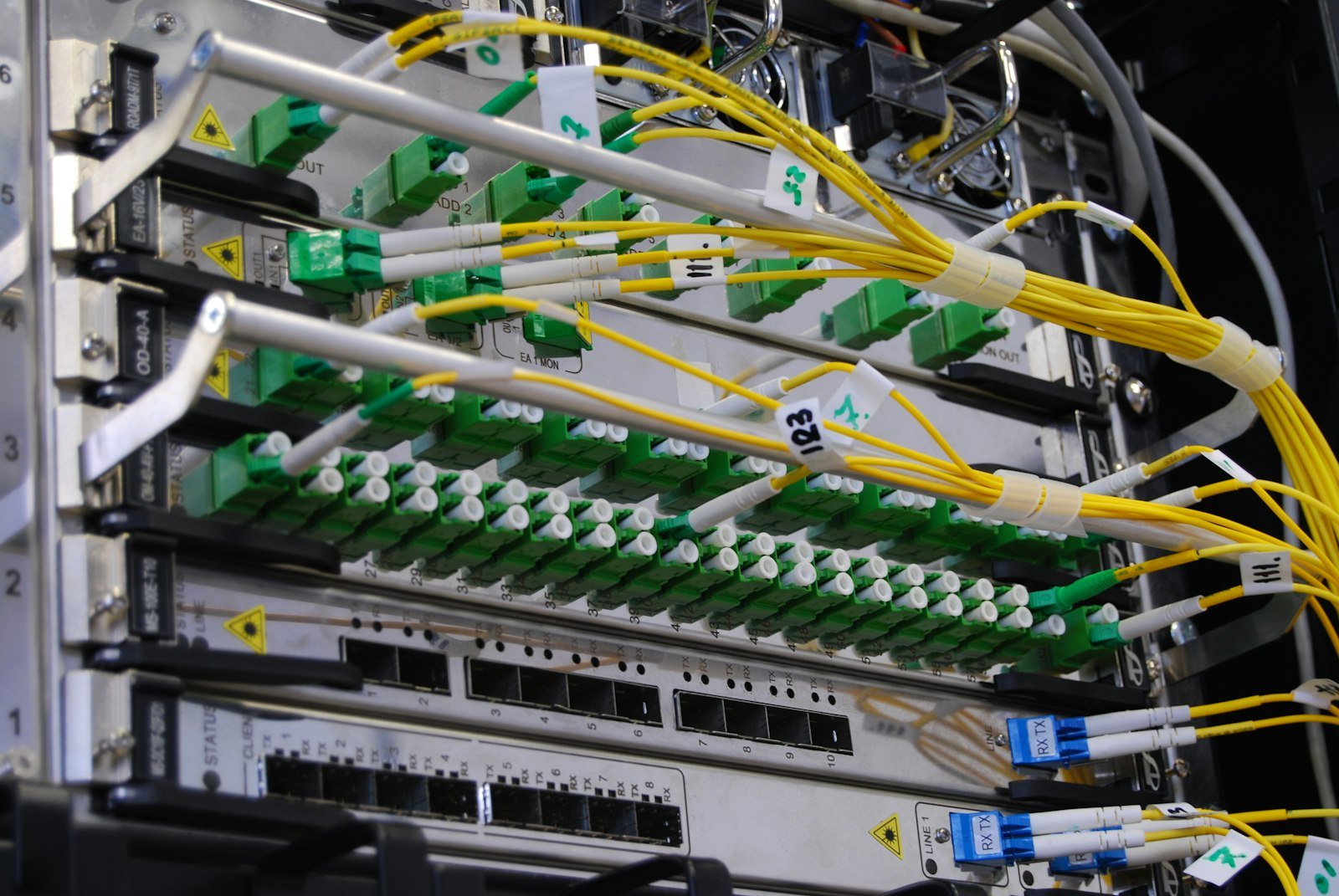
    Optical transceivers convert electrical signals into light pulses to transmit data across fibre-optic cables linking servers, switches, and processing chips. Large-scale facilities require millions of these components, making them an indispensable element of modern computing infrastructure.

    The US Federal Communications Commission has drafted regulations since last summer aimed at stopping new Chinese transceiver models from entering the American market. US officials have expressed concerns that Beijing could leverage these components to intercept data, deploy malicious software, or cause service disruptions.

    Research firm Counterpoint Research estimates that Chinese manufacturers produce about two-thirds of the world’s optical transceivers. Companies such as Zhongji Innolight—which appears on a Pentagon list of firms linked to China’s military—and Eoptolink dominate the market for high-speed modules. Although American producers like Coherent and Lumentum offer alternatives, analysts note they currently lack the capacity to make up for lost Chinese supplies.

    Industry data from Cleanview shows Microsoft currently has 35 data centres undergoing construction in the US, with an additional 134 planned. To highlight supply chain vulnerabilities, Microsoft officials joined meetings in September with representatives from the National Security Council and the White House science office. The Information Technology Industry Council warned that restricting these imports could severely delay data centre expansion, leaving expensive AI chips non-functional without connection hardware.

    Reports indicate the administration may narrow the restrictions. Investment firm Morgan Stanley noted in October that officials were evaluating a ban restricted to 3.2-terabit-per-second transceivers, a high-capacity class not expected to see widespread adoption until 2029. Separately, US lawmakers introduced bipartisan legislation in September to prohibit federal agencies from employing Chinese transceivers within sensitive networks.

    The developing restrictions highlight how telecom hardware is increasingly becoming entangled in global geopolitical friction. Data centre and internet service providers across South Asia, including Bangladesh, rely heavily on Chinese optical hardware. While a US market restriction might prompt Chinese vendors to direct more supply toward Asian markets at competitive prices, regional operators face growing pressure to carefully track their equipment supply chains to meet international security standards.

    Previous ArticleNew Zealand faces political uncertainty after general election yields tight results
    Next Article Higher US October inflation strengthens expectations of December Federal Reserve rate hike

    Related Posts

    GTA VI generates record 3.79 billion dollars in first-day sales globally

    November 25, 2026

    Phased plan recommended to regulate battery rickshaws while protecting driver livelihoods

    November 24, 2026

    Nvidia reinstates Jensen Huang as CEO following board vote and market surge

    November 24, 2026
    Top Posts

    Nasscom chief warns artificial intelligence is threatening entry-level tech jobs in India

    November 9, 2026

    Microsoft apologises for massive cloud outage affecting services across 74 countries

    November 16, 2026

    Grameen Bank reports 72 branch offices attacked across Bangladesh in 10 days

    November 20, 2026
    About
    About

    Future Bangla is an independent digital news platform delivering timely, accurate news from Bangladesh and around the world. We cover politics, economy, technology, society, and in-depth explainers.

    Most Popular

    Nur Mohammad takes charge as Agrani Bank MD and CEO

    November 25, 2026

    Popular mobile battle royale game Free Fire relaunches in India after ban

    November 2, 2026

    Mobile operators demand lower spectrum prices ahead of licence expiry

    November 2, 2026
    Our Picks

    Nur Mohammad takes charge as Agrani Bank MD and CEO

    November 25, 2026

    GTA VI generates record 3.79 billion dollars in first-day sales globally

    November 25, 2026

    Global oil prices drop to nearly three-month lows on returning Libyan supplies

    November 24, 2026
    © 2026 Future Bangla. All Rights Reserved.
    • About us
    • Contact us
    • Privacy Policy
    • Terms and Conditions
    • Disclaimer

    Type above and press Enter to search. Press Esc to cancel.