
Close Menu
Future BanglaFuture Bangla
    What's Hot

    Dhaka police bolster metro security with building inspections and signed property undertakings

    November 29, 2026

    US stocks rebound in shortened post-holiday trading session led by chipmakers

    November 28, 2026

    Australia passes landmark digital safety law shifting online harm liability to platforms

    November 28, 2026
    Trending
    • Dhaka police bolster metro security with building inspections and signed property undertakings
    • US stocks rebound in shortened post-holiday trading session led by chipmakers
    • Australia passes landmark digital safety law shifting online harm liability to platforms
    • Iran confirms Qatar and Pakistan relaying US proposals amid Strait of Hormuz dispute
    • Jubo league and chhatra league leaders threaten lakshmipur police station with arson
    • Bangladesh risks $25.8 billion annual LNG import cost under master plan
    • US federal jury convicts Chinese telecom giant Huawei on ten criminal counts
    • Bereaved mother in custody sees deceased disabled son at Kashimpur jail gate
    Sunday, November 29
    Future BanglaFuture Bangla
    • Bangladesh
    • World
    • Economy
    • Tech & Media
    • Politics
    • Society
    Future BanglaFuture Bangla
    Home»Tech & Media»Singapore Prime Minister says city-state will not help bypass US chip controls
    Tech & Media

    Singapore Prime Minister says city-state will not help bypass US chip controls

    Future Bangla DeskBy Future Bangla DeskNovember 27, 2026Updated:November 27, 20262 Mins Read
    Singapore Prime Minister says city-state will not help bypass US chip controls

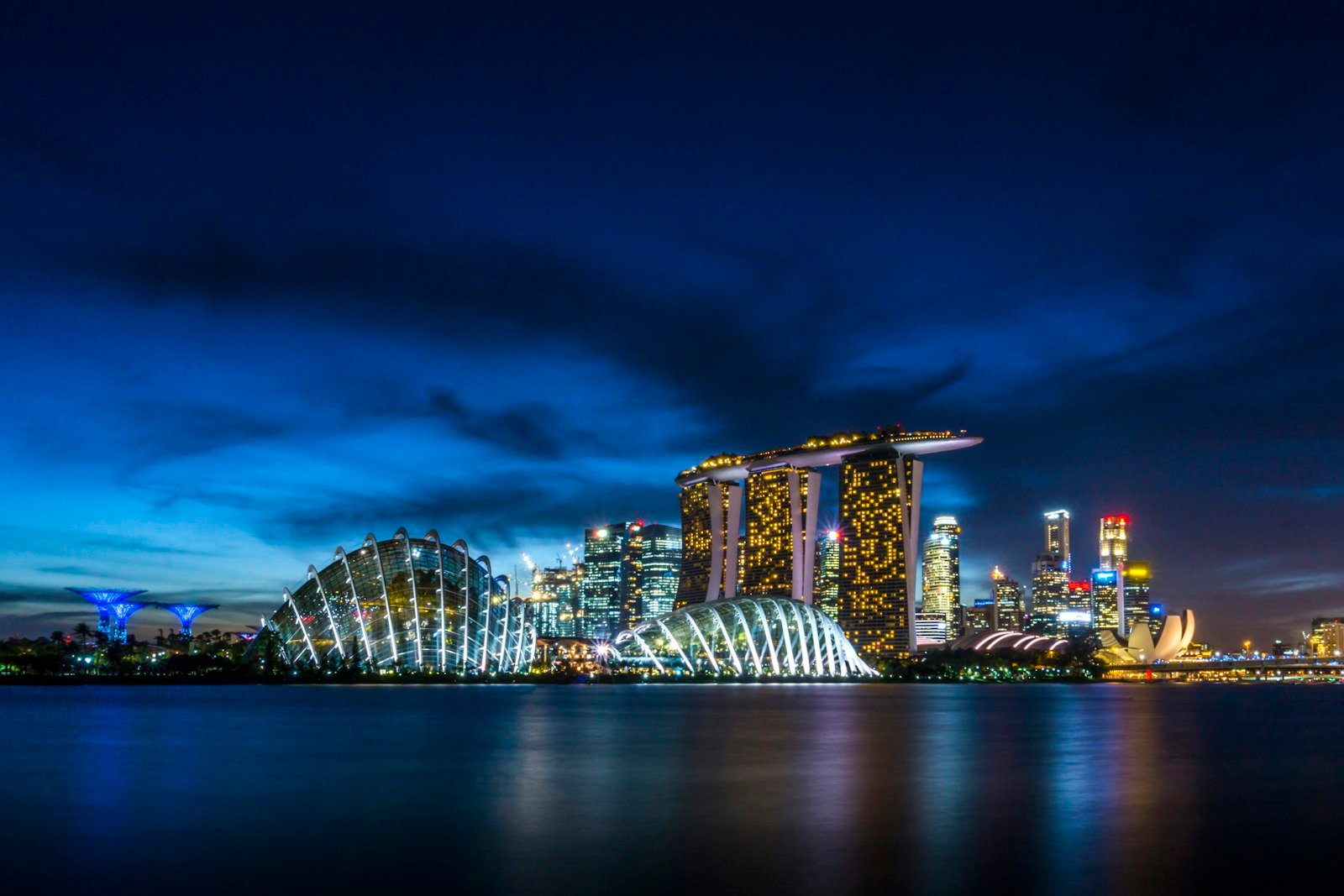
    Singapore Prime Minister Lawrence Wong has stated that the city-state will not allow firms to use its commercial network to circumvent American export restrictions on advanced artificial intelligence microchips bound for China. Speaking alongside Australian Prime Minister Anthony Albanese in Canberra on Tuesday following their annual leaders’ summit, Wong addressed rising scrutiny over technology supply chains across Asia.

    The statements follow investigations by United States authorities into Megaspeed, a Singapore-based provider of data centers and cloud infrastructure. US officials have scrutinized the company since at least 2024 over allegations of transferring restricted Nvidia processors to China, with the US Commerce Department intending to place Megaspeed and its affiliated entities on a trade blacklist. Megaspeed has denied any wrongdoing, maintaining that its business operations are lawful.

    Clarifying Singapore’s stance, Wong noted that the city-state does not enforce American export laws directly, but assists US authorities with verification and acts against any breaches of local laws. He explained that the Nvidia equipment purchased by Megaspeed never physically entered Singapore, passing through local systems solely on paper before shipment to third countries beyond Singapore’s investigative authority.

    Singapore authorities previously questioned and released a Megaspeed employee after finding no legal grounds for prosecution. Wong noted that Singapore has requested details from US officials regarding the ultimate destination of the hardware, as primary inquiries remain US-led. Meanwhile, Albanese termed the allegations serious while clarifying Australia’s non-involvement, as both leaders finalized a new bilateral deal to boost artificial intelligence collaboration.

    The case unfolds alongside corporate developments at Nvidia, where chief executive Jensen Huang was reinstated by the board 11 days after his resignation and is set for closed-door testimony before US congressional committees.

    For South Asian markets including Bangladesh, where banks, telecom firms, universities, and startups routinely source GPU servers through Singaporean distributors, the heightened scrutiny promises tighter compliance protocols. Local enterprises preparing AI infrastructure face potential delays and stricter end-use tracking as trade nodes across Asia adjust to broader US-China technological friction.

    Previous ArticleCentral bank data shows Bangladesh remittance inflows reached $2.5 billion by November 24
    Next Article Bus torched in Dhaka’s Badda as wave of nighttime arson continues

    Related Posts

    Australia passes landmark digital safety law shifting online harm liability to platforms

    November 28, 2026

    US federal jury convicts Chinese telecom giant Huawei on ten criminal counts

    November 28, 2026

    Bangladeshi engineers win global UN hackathon with local AI trade law platform

    November 28, 2026
    Top Posts

    Rocky marks 50 years as a narrative of dignity and working-class struggle

    November 15, 2026

    Bangladesh seeks Estonian expertise to develop lifelong digital identity system

    November 22, 2026

    Zipline secures $1.5 billion funding as valuation climbs to $21.5 billion

    November 6, 2026
    About
    About

    Future Bangla is an independent digital news platform delivering timely, accurate news from Bangladesh and around the world. We cover politics, economy, technology, society, and in-depth explainers.

    Most Popular

    Popular mobile battle royale game Free Fire relaunches in India after ban

    November 2, 2026

    Mobile operators demand lower spectrum prices ahead of licence expiry

    November 2, 2026

    Bangladesh keeps fuel prices unchanged for November following September hike

    November 2, 2026
    Our Picks

    Dhaka police bolster metro security with building inspections and signed property undertakings

    November 29, 2026

    US stocks rebound in shortened post-holiday trading session led by chipmakers

    November 28, 2026

    Australia passes landmark digital safety law shifting online harm liability to platforms

    November 28, 2026
    © 2026 Future Bangla. All Rights Reserved.
    • About us
    • Contact us
    • Privacy Policy
    • Terms and Conditions
    • Disclaimer

    Type above and press Enter to search. Press Esc to cancel.